

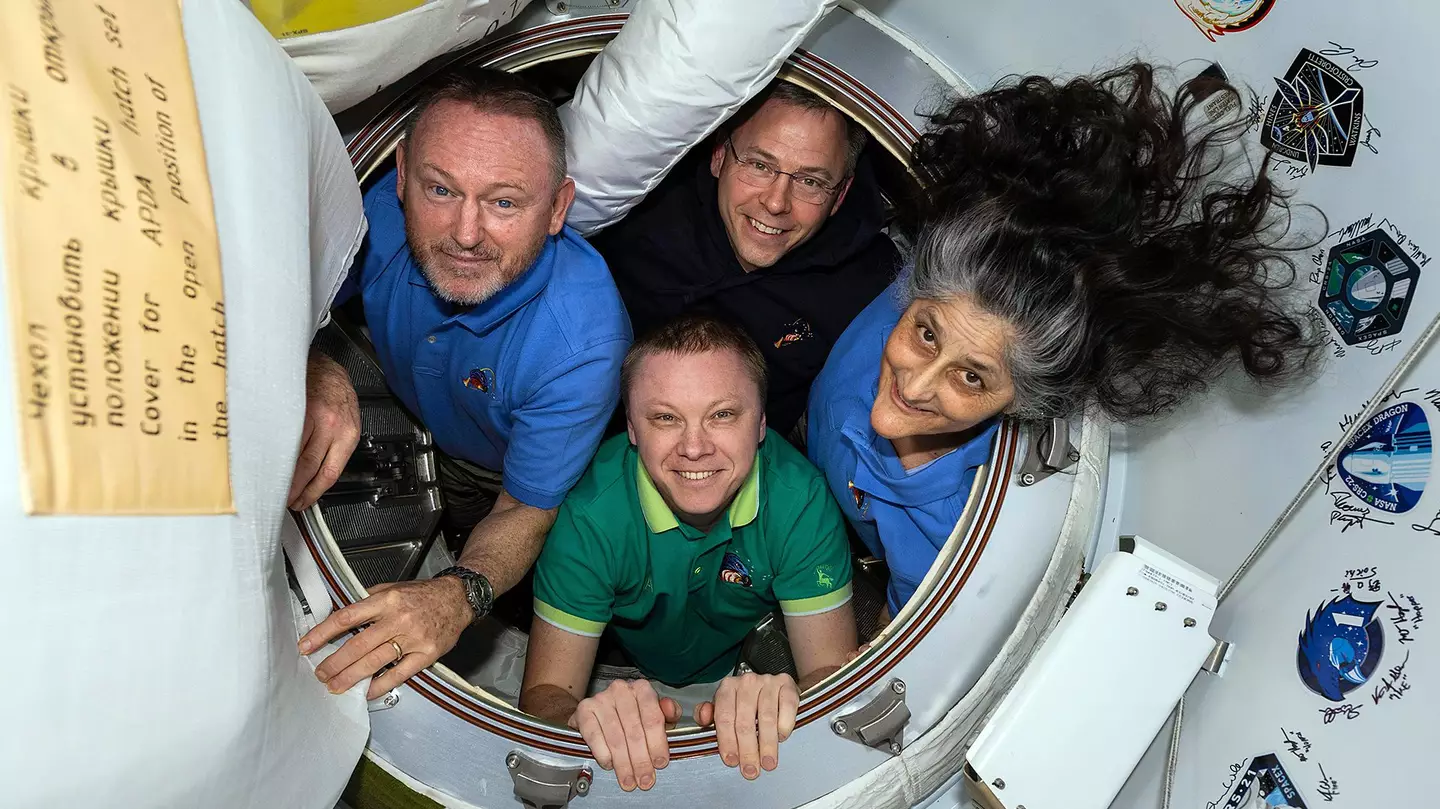
Spaceflight is often presented as smooth, precise, and perfectly timed. Rockets launch on schedule, astronauts complete their missions, and crews return home to applause. However, the reality of space exploration is far more complex. When people hear about NASA astronauts stuck in space, it sounds dramatic, even alarming. Yet in most cases, these situations are not accidents or emergencies but carefully managed outcomes driven by safety, engineering, and cautious decision-making.
Still, the question remains: how do NASA astronauts get stuck in space in the first place?
The answer lies in a combination of technical challenges, evolving mission plans, spacecraft reliability, and NASA’s strict safety culture. This article takes a deep, human-centered look at why astronauts sometimes stay longer than planned, what really happens behind the scenes, and why “stuck” does not always mean “in danger.”
Understanding What “Stuck in Space” Really Means
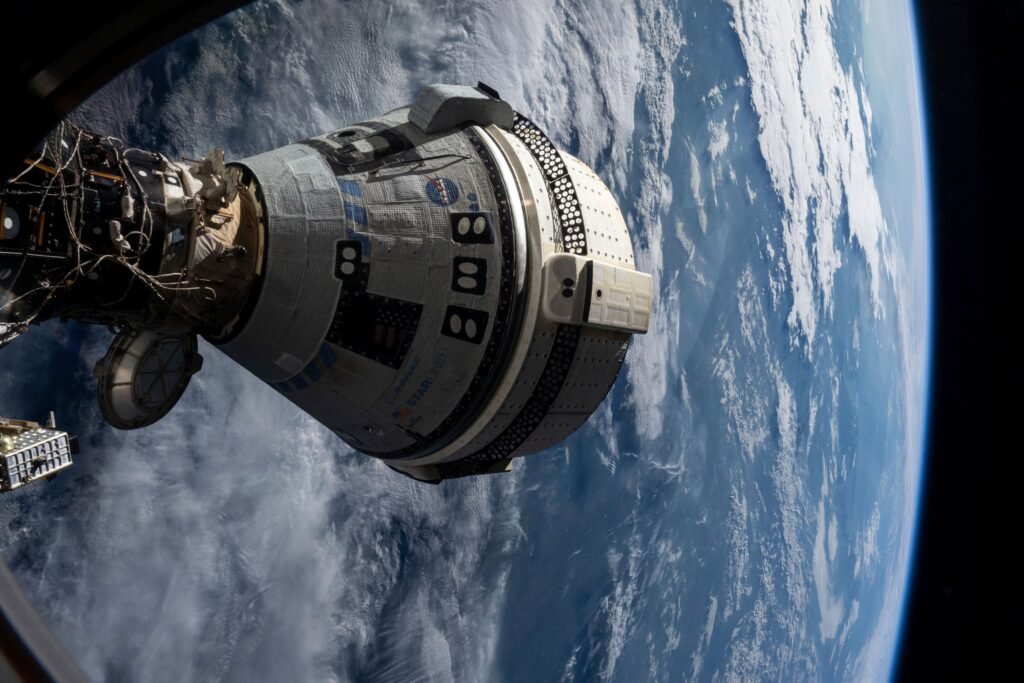
Before diving into the details, it’s important to clarify the phrase itself. When headlines say nasa astronauts stuck in space, they rarely mean astronauts are helpless or abandoned. In most situations, astronauts are safe aboard the International Space Station or another orbiting platform, with food, water, oxygen, and communication fully intact.
What “stuck” usually means is:
- A planned return has been delayed
- A spacecraft is not cleared for reentry
- Engineers need more time to verify safety
- Mission timelines have changed
NASA treats human spaceflight with extreme caution. If there is even a small concern, delays are preferred over risk.
The Role of the International Space Station
The International Space Station, often called the ISS, is central to understanding how astronauts can remain in orbit longer than expected.
A Safe but Complex Home in Orbit
The ISS is a fully functioning space laboratory orbiting Earth at about 250 miles above the surface. It is designed to support astronauts for months at a time. Life support systems recycle air and water, cargo ships deliver supplies, and multiple spacecraft are docked as lifeboats.
Because of this infrastructure, NASA astronauts stuck in space are rarely in immediate danger. Instead, they are continuing their mission while ground teams solve problems.
Flexible Mission Durations
Space missions are planned carefully, but flexibility is built in. Astronauts train for extended stays, and schedules can change based on:
- Weather conditions on Earth
- Spacecraft technical checks
- Orbital traffic
- International coordination
This flexibility is a feature, not a flaw.
Spacecraft Issues: A Common Cause of Delays
One of the most common reasons for nasa astronauts stuck in space situations is spacecraft readiness.
Technical Anomalies and Safety Checks
Spacecraft are incredibly complex machines. Even a small sensor issue or pressure reading can delay a return. NASA engineers will not approve reentry unless every system meets strict standards.
Common issues include:
- Propulsion system irregularities
- Thruster performance concerns
- Software glitches
- Power or battery anomalies
Each issue must be fully understood before astronauts are cleared to return.
Backup Plans and Redundancy
NASA always plans for contingencies. Multiple spacecraft are often docked to the space station, providing backup options. However, switching vehicles or changing return plans requires time, coordination, and testing.
This is why nasa astronauts stuck in space scenarios are often deliberate decisions rather than emergencies.
Weather on Earth Matters More Than You Think
It may seem strange, but conditions on Earth play a major role in space missions.
Landing Conditions Must Be Perfect
Whether astronauts land on land or splash down in the ocean, weather must be favorable. High winds, storms, or rough seas can delay a return by days or even weeks.
NASA prefers to wait rather than risk a dangerous landing.
Global Weather Coordination
Landing zones span multiple regions, and weather forecasts must be accurate. This adds another layer of complexity to mission planning and helps explain why nasa astronauts stuck in space headlines appear even when everything in orbit is functioning well.
Human Safety Comes First at NASA
NASA’s safety culture is deeply rooted in its history. Past tragedies have shaped how decisions are made today.
Lessons from Spaceflight History
Incidents like Challenger and Columbia taught NASA painful lessons. As a result, modern missions prioritize caution above all else.
When facing uncertainty, NASA asks:
- Is this spacecraft 100% safe?
- Do we fully understand the risk?
- Can we afford to wait longer?
If the answer to the last question is yes, delays happen.
This philosophy explains many nasa astronauts stuck in space situations.
Life for Astronauts During Extended Missions
What happens to astronauts when they stay longer than planned?
Daily Life Continues
Astronauts follow structured routines. They:
- Conduct scientific experiments
- Exercise daily to maintain muscle and bone strength
- Communicate regularly with mission control and family
- Maintain station systems
An extended stay does not mean inactivity. In many cases, additional science is performed.
Psychological and Physical Preparation
Astronauts are trained for uncertainty. They understand that spaceflight is unpredictable. Mental resilience and adaptability are core parts of astronaut training.
NASA also monitors:
- Mental health
- Physical condition
- Stress levels
Support systems are always in place.
Media Headlines vs. Reality
The phrase nasa astronauts stuck in space attracts attention, but it often oversimplifies the truth.
Why Headlines Use Dramatic Language
Media outlets compete for clicks. “Delayed return due to safety review” doesn’t grab attention the way “astronauts stuck in space” does.
However, these headlines can create unnecessary fear or confusion.
The Reality Is Usually Calm and Controlled
Behind the scenes, engineers, scientists, and flight directors are working methodically. Decisions are data-driven, not rushed.
In most cases, astronauts are informed, involved, and comfortable with the plan.
International Cooperation Adds Complexity
The ISS is a global partnership involving multiple space agencies.
Coordination Across Countries
NASA works with international partners, including:
- Space agencies
- Mission control centers
- Launch providers
Changes to one mission can affect others. Docking schedules, crew rotations, and cargo deliveries must be synchronized.
This complexity can contribute to nasa astronauts stuck in space scenarios, especially during busy orbital schedules.
Technology Is Always Evolving
Spaceflight technology is not static. New spacecraft, systems, and procedures are constantly being tested.
New Vehicles Mean Extra Caution
When a newer spacecraft is involved, NASA applies additional scrutiny. Engineers may request extra time to analyze performance data before approving return.
This cautious approach builds confidence for future missions.
Are Astronauts Ever Truly Stranded?
The short answer is no.
Emergency Return Options Always Exist
NASA plans for worst-case scenarios. Emergency return vehicles are always available. Astronauts are never left without a way home.
What people interpret as “stuck” is usually a controlled delay, not a crisis.
Communication Is Constant
Astronauts maintain continuous communication with Earth. They are never isolated or uninformed.
BIO Table (Public Figure Context)
While this topic involves astronauts, it does not center on a single celebrity or influencer. Therefore, a traditional BIO table is not applicable here. However, astronauts are highly trained professionals selected through rigorous processes, representing science, engineering, and public service rather than personal fame.
Key Reasons NASA Astronauts Get Stuck in Space
To summarize the most common causes:
- Spacecraft technical reviews
- Safety concerns and risk assessments
- Weather delays on Earth
- Mission timeline adjustments
- International coordination requirements
Each factor reflects NASA’s commitment to human life.
What This Means for the Future of Space Travel
As space exploration expands, delays may become more common, not less.
More Missions, More Complexity
With increased launches, commercial partnerships, and long-duration missions, flexibility will remain essential.
The concept of nasa astronauts stuck in space will likely continue to appear, but it should be understood in context.
Transparency and Public Understanding
NASA continues to improve communication with the public. Explaining delays clearly helps build trust and understanding.
Final Thoughts
The idea of nasa astronauts stuck in space can sound frightening at first. However, when you look deeper, it becomes clear that these situations are usually the result of careful, responsible decision-making. Astronauts are not forgotten or abandoned. They are protected, supported, and constantly monitored.
Space is unforgiving, and NASA knows this better than anyone. When faced with uncertainty, the agency chooses patience over risk. That choice has saved lives and will continue to guide human spaceflight.
If this article helped clarify how and why astronauts sometimes remain in orbit longer than planned, feel free to share your thoughts or pass it along to others curious about the realities of space exploration.





Leave a Reply