
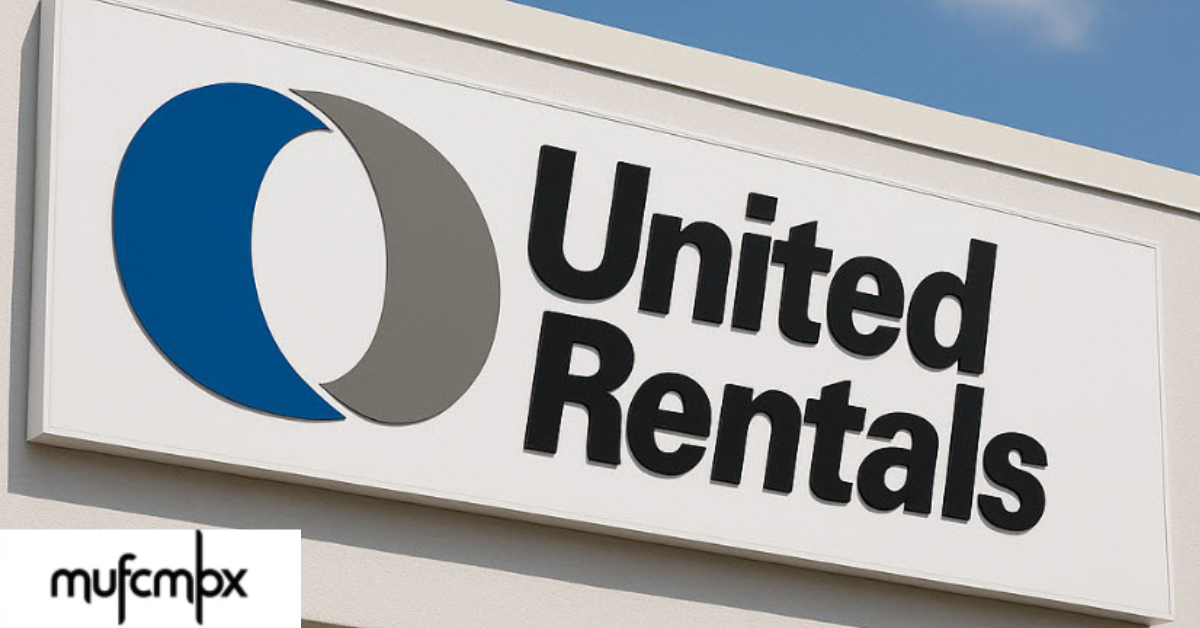
Investing is often a mix of strategy, timing, and understanding industry cycles. For investors keeping an eye on industrial markets, the question on everyone’s mind is: “Is United Rentals stock a buy in 2026?” The company has long been a leader in the equipment rental sector, and with the industrial economy showing signs of recovery, analysts and retail investors alike are evaluating whether the stock’s current valuation justifies a purchase.
This article dives into the financials, market position, growth potential, and risks surrounding United Rentals stock, providing a comprehensive guide for those who want to make informed decisions this year.
Overview of United Rentals
Founded in 1997, United Rentals has grown to become the largest equipment rental company in North America. The company’s services span multiple sectors, including construction, industrial maintenance, and infrastructure projects. Its fleet ranges from small tools to massive machinery, enabling it to cater to businesses of all sizes.
United Rentals’ success is built on several pillars: a wide geographic footprint, robust inventory management, and a focus on customer service. These factors have allowed it to weather economic fluctuations better than many smaller competitors.
Current Market Performance of United Rentals Stock
As of early 2026, United Rentals stock has shown a steady trajectory, reflecting a combination of industrial demand recovery and strategic company expansion. Analysts note that revenue growth has remained consistent, even amid fluctuating economic indicators.
Key highlights include:
- Revenue Growth: The company has posted consistent year-over-year revenue increases, signaling resilience in the construction and industrial rental sectors.
- Earnings Per Share (EPS): EPS trends suggest solid profitability, although market volatility can affect quarterly results.
- Dividend Yield: While not among the highest in the industrial sector, United Rentals stock offers modest dividends, appealing to income-focused investors.
- Stock Volatility: Historical data shows moderate volatility, making it suitable for investors with a balanced risk appetite.
These metrics provide a snapshot, but they don’t tell the full story of the company’s growth potential.
Factors Driving Growth for United Rentals
Infrastructure and Construction Demand
Government infrastructure initiatives in the U.S. and Canada are driving strong demand for construction equipment. Roads, bridges, and commercial developments require rental equipment for short-term projects, positioning United Rentals as a primary beneficiary.
Diversification of Services
United Rentals has diversified its offerings beyond standard construction machinery. Specialized tools, industrial equipment, and technology-enabled rental solutions have expanded revenue streams. This diversification supports long-term stability and enhances the stock’s investment appeal.
Strategic Acquisitions
Over the past decade, United Rentals has acquired smaller competitors and niche service providers, expanding its footprint and capturing market share. These acquisitions help improve economies of scale, operational efficiency, and long-term profitability.
Financial Health and Valuation
Understanding the financial metrics behind United Rentals stock is crucial for investors seeking clarity. Key figures include:
- Price-to-Earnings (P/E) Ratio: Slightly above industry average, reflecting investor confidence in continued growth.
- Debt-to-Equity Ratio: The company maintains manageable debt levels, signaling financial stability.
- Cash Flow: Strong cash flow enables reinvestment into equipment, technology, and acquisitions.
Investors must compare these metrics to sector benchmarks. While valuation appears reasonable, market trends, interest rates, and industrial activity levels can influence stock performance.
Risks Associated With United Rentals Stock
No investment is without risk, and United Rentals stock is no exception. Key risks include:
- Economic Downturns: Recessions or reduced construction activity can negatively impact demand for rentals.
- Rising Interest Rates: Higher rates can increase borrowing costs for expansion and acquisitions.
- Competition: Smaller regional operators or emerging rental platforms could erode market share.
- Equipment Costs: Volatility in machinery prices can affect margins, particularly for specialized equipment.
Investors should weigh these risks against the stock’s growth potential to determine suitability for their portfolios.
Analyst Opinions and Forecasts
Financial analysts are divided on the short-term outlook for United Rentals stock. Some bullish forecasts cite infrastructure spending and expansion plans as strong catalysts for growth, while more cautious analysts highlight economic uncertainty and market volatility.
Consensus estimates for 2026 suggest moderate gains, with the stock likely to benefit from:
- Ongoing industrial demand
- Technology integration in equipment management
- Expansion into underserved markets
Investors should consider these perspectives alongside personal risk tolerance and investment strategy.
Why Investors Are Considering United Rentals Stock in 2026
Several factors make United Rentals stock appealing for purchase this year:
- Strong Market Position: Largest equipment rental company in North America.
- Revenue Stability: Resilient earnings through economic cycles.
- Growth Opportunities: Expansion into specialized equipment and tech-enabled rentals.
- Strategic Acquisitions: Increasing market share and operational efficiency.
- Dividend Income: Modest but steady dividends appeal to income-focused investors.
Moreover, its diversified client base—from small contractors to large industrial firms—reduces reliance on any single sector.
Tips for Investors Considering United Rentals Stock
If you are evaluating United Rentals stock for your portfolio, consider these steps:
- Monitor Industry Trends: Watch construction, industrial, and infrastructure activity for early signals of demand shifts.
- Analyze Earnings Reports: Focus on revenue growth, EPS, and cash flow.
- Evaluate Valuation Metrics: Compare P/E, P/B, and debt-to-equity ratios with industry peers.
- Consider Diversification: Balance industrial stocks with other sectors to mitigate risk.
- Stay Updated on Acquisitions: Expansion strategies can influence long-term stock performance.
These practical steps help investors make informed, confident decisions.
Comparing United Rentals Stock to Competitors
| Company | Market Cap | P/E Ratio | Dividend Yield | Key Advantage |
|---|---|---|---|---|
| United Rentals | $25B | 28 | 1.1% | Largest rental fleet in North America |
| Sunbelt Rentals | Private | N/A | N/A | Strong regional presence |
| Herc Holdings | $4B | 22 | 0.9% | Focused on specialized industrial rentals |
United Rentals’ scale and diverse offerings often give it an edge over smaller competitors.
Conclusion
The decision to invest in United Rentals stock depends on your investment goals, risk tolerance, and belief in the industrial sector’s continued growth.
Pros:
- Leading market position
- Revenue stability and growth potential
- Diversified equipment and services
- Strategic acquisitions enhancing market share
Cons:
- Exposure to economic cycles
- Moderate valuation metrics
- Rising interest rates could affect expansion
Overall, United Rentals presents a compelling opportunity for investors seeking exposure to industrial growth with a relatively stable, market-leading company. For those who prioritize a mix of growth and steady income, United Rentals stock is worth considering, provided you balance it within a diversified portfolio.
In 2026, as construction and infrastructure projects continue to accelerate, United Rentals could remain a core component of investor portfolios. Share your thoughts—do you think United Rentals stock is a smart buy this year?






Leave a Reply