


Belly fat has a way of sticking around longer than any other type of fat. You can improve your diet, exercise consistently, and still notice that the stubborn fat around your stomach refuses to disappear. This frustration leads many people to explore newer approaches to fat loss.
One solution that has recently gained attention is weight loss peptides. From fitness forums to medical clinics, these compounds are being discussed as potential tools for improving metabolism and supporting fat reduction.
But do they really work? And more importantly, can they actually help burn stubborn belly fat?
Let’s break down what weight loss peptides are, how they work in the body, and whether they might help with that persistent abdominal fat.
What Are Weight Loss Peptides?
Peptides are short chains of amino acids that act as signaling molecules in the body. They help regulate many important biological processes such as hormone production, metabolism, appetite, and fat storage.
Weight loss peptides are specific peptides designed to influence hormones related to fat burning and metabolism.
Instead of directly “melting fat,” these peptides work by helping the body improve processes like:
- Hormone balance
- Fat metabolism
- Appetite regulation
- Energy usage
Because these systems play a major role in weight control, peptides may help create conditions where fat loss becomes easier.
Why Belly Fat Is So Hard to Lose
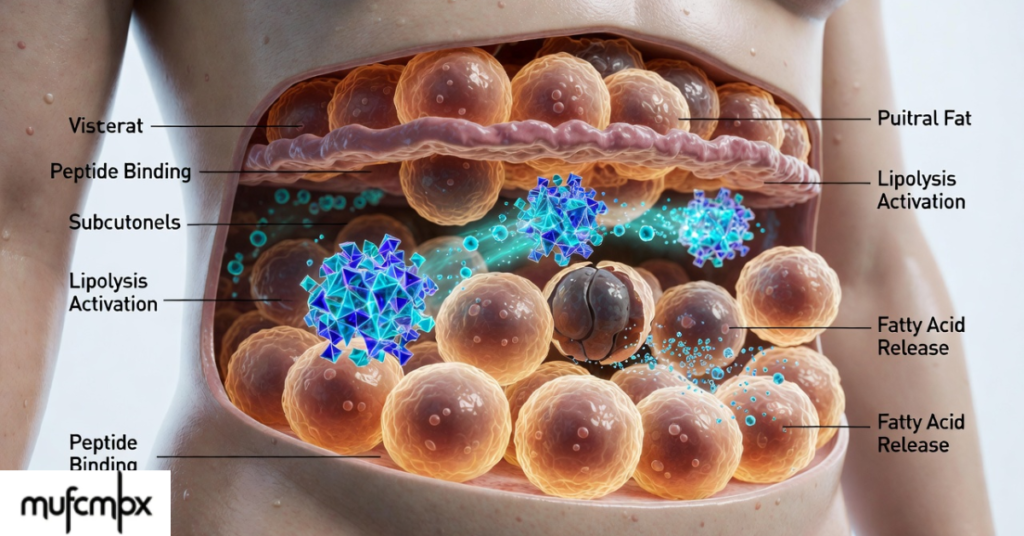
To understand why people are interested in peptides, it’s important to know why belly fat is so stubborn in the first place.
Several factors contribute to abdominal fat accumulation:
Hormonal Imbalance
Hormones such as cortisol and insulin influence how fat is stored. High cortisol levels, often linked to stress, can encourage fat storage around the stomach.
Insulin Resistance
When the body becomes less sensitive to insulin, excess glucose may be stored as fat—often around the abdomen.
Slow Metabolism
A sluggish metabolism means the body burns fewer calories, making fat loss slower and more difficult.
Genetics
Some people are genetically predisposed to store fat around the midsection.
Because multiple systems influence belly fat, a solution that targets hormones and metabolism—like peptides—has gained growing attention.
How Weight Loss Peptides May Help Burn Fat
Weight loss peptides don’t function like traditional diet pills. Instead, they support natural biological processes that influence how the body burns fat.
Here are some of the main ways they may help.
1. Supporting Growth Hormone Production
Certain peptides stimulate the natural release of growth hormone.
Growth hormone is linked to several metabolic benefits:
- Increased fat breakdown
- Improved muscle development
- Better recovery after exercise
When growth hormone levels improve, the body may shift toward using fat for energy.
2. Enhancing Fat Metabolism
Some peptides are believed to support lipolysis, the process where stored fat is broken down and used as fuel.
This may help the body access fat stores that are usually harder to mobilize, including abdominal fat.
3. Reducing Appetite
Controlling hunger is one of the biggest challenges in weight loss.
Some peptides work with hormones that regulate appetite and fullness. As a result, users may experience:
- Reduced cravings
- Improved portion control
- Lower calorie intake
Over time, this can support steady fat loss.
4. Improving Insulin Sensitivity
Better insulin sensitivity means the body can use glucose more efficiently instead of storing it as fat.
When insulin function improves, it may become easier to reduce stubborn fat deposits.
Popular Weight Loss Peptides
Several peptides are commonly discussed in fat-loss research and medical settings.
| Peptide | Main Function | Possible Benefit |
|---|---|---|
| GLP-1 peptides | Regulate appetite | Reduced hunger and calorie intake |
| CJC-1295 | Stimulates growth hormone | Supports metabolism and fat burning |
| Ipamorelin | Growth hormone release | Helps fat loss and muscle recovery |
| AOD-9604 | Fat metabolism | Targets stored fat cells |
| Tesamorelin | Hormone regulation | May reduce abdominal fat |
Each peptide works differently, and effectiveness can vary depending on lifestyle and individual biology.
Are Weight Loss Peptides Effective for Belly Fat?
Research and early clinical use suggest that peptides may help support fat loss, especially when combined with healthy lifestyle habits.
However, they are not a magic solution.
People who see the best results usually combine peptides with:
- A balanced calorie-controlled diet
- Strength training
- Regular cardio exercise
- Quality sleep
- Stress management
Without these foundational habits, results are often limited.
Think of peptides as tools that support fat loss rather than replace healthy living.
Potential Benefits of Weight Loss Peptides
Many people explore peptides because of the potential advantages they may offer.
Some possible benefits include:
- Improved fat metabolism
- Reduced appetite and cravings
- Better energy levels
- Enhanced muscle recovery
- Support for metabolic health
When these factors improve together, they may contribute to gradual fat reduction.
Possible Risks and Considerations
Despite their potential benefits, weight loss peptides are not risk-free.
Some concerns include:
- Hormonal imbalances
- Water retention
- Headaches or fatigue
- Injection site irritation
- Long-term safety still being studied
Because peptides influence hormones, medical supervision is important before considering them.
They are not suitable for everyone, and misuse can cause unwanted side effects.
Lifestyle Still Matters Most
Even with promising tools like peptides, the fundamentals of fat loss remain the same.
For long-term results, focus on habits such as:
Balanced Nutrition
Choose whole foods, lean proteins, healthy fats, and complex carbohydrates.
Strength Training
Building muscle increases metabolism and improves body composition.
Consistent Movement
Daily activity supports calorie burn and metabolic health.
Sleep and Stress Control
Poor sleep and chronic stress can increase belly fat.
Peptides may enhance these efforts, but they cannot replace them.
Conclusion
Stubborn belly fat can feel incredibly difficult to lose, even with consistent effort. This challenge is why many people are exploring newer approaches like weight loss peptides.
These compounds work by influencing hormones, metabolism, and appetite—three key factors that affect fat storage and fat burning.
While peptides may support fat loss, they are not a miracle shortcut. The most reliable results still come from a combination of healthy nutrition, regular exercise, proper sleep, and long-term lifestyle habits.
For those who are curious about emerging fat-loss strategies, peptides may offer interesting possibilities. But like any health decision, they should always be approached carefully and with professional guidance.
In the end, the most powerful formula for reducing belly fat remains simple: smart habits, patience, and consistency.
FAQs
1. What are weight loss peptides used for?
Weight loss peptides are used to support processes such as appetite control, metabolism, and hormone regulation that may contribute to fat loss.
2. Can weight loss peptides target belly fat specifically?
Some peptides are studied for their potential impact on abdominal fat, but fat loss usually occurs across the body rather than in one specific area.
3. Are weight loss peptides safe?
Safety depends on the specific peptide, dosage, and medical supervision. Consulting a qualified healthcare professional is essential.
4. How long do weight loss peptides take to work?
Results vary widely. Some people may notice changes in appetite or energy within weeks, while visible fat loss usually takes longer.
5. Do weight loss peptides replace diet and exercise?
No. They are intended to support healthy habits, not replace them. Diet, exercise, and sleep remain the foundation of fat loss.








Leave a Reply