

Introduction
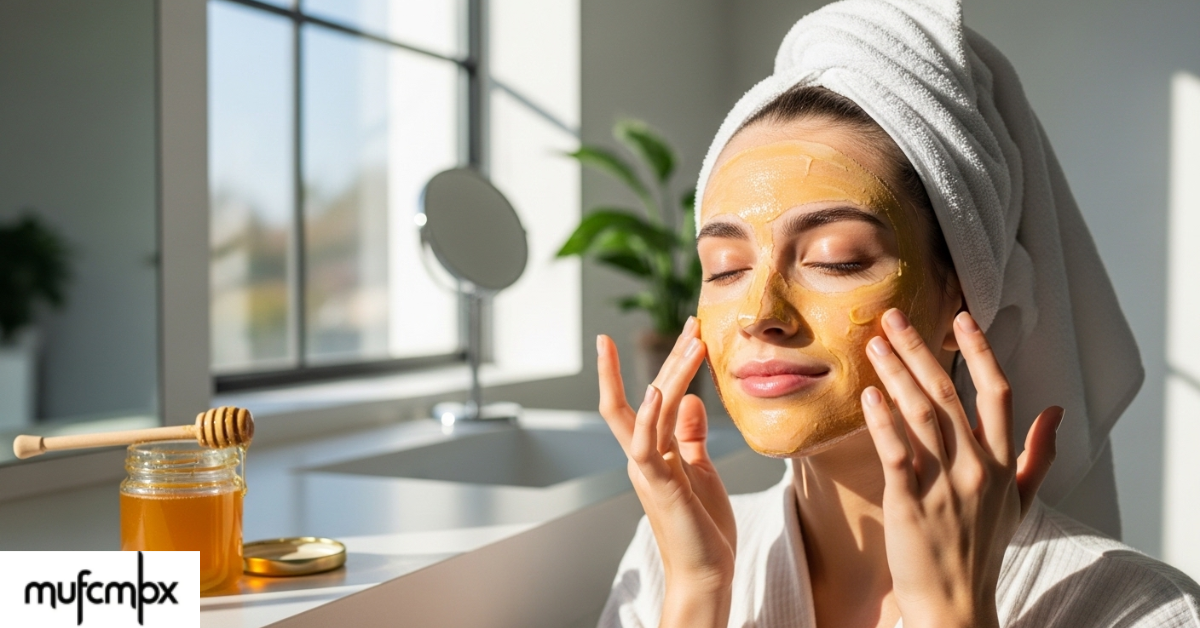
Natural skin care has gained enormous popularity as people search for safer, more gentle alternatives to chemical-based beauty products. Among the many ingredients used in homemade skin care, the honey face mask stands out as one of the most trusted and effective solutions. Honey has been used for centuries in beauty rituals because of its nourishing, healing, and moisturizing properties. From ancient civilizations to modern dermatology-inspired routines, honey continues to be valued for its ability to support healthy and glowing skin.
A honey face mask is simple, affordable, and suitable for many skin types. Whether someone struggles with dryness, acne, dullness, or uneven texture, honey can provide noticeable improvements. Its natural enzymes, antioxidants, and antibacterial compounds help cleanse the skin while maintaining its natural moisture balance. When applied regularly, a honey face mask can help the skin appear smoother, brighter, and more refreshed.
Understanding how honey works on the skin and learning the best ways to use it can help people get the most benefit from this powerful natural ingredient.
Why Honey Is Powerful for Skin Care
Honey is far more than just a sweet kitchen ingredient. It contains a unique combination of nutrients and active compounds that make it beneficial for skin health. Raw honey is rich in antioxidants, enzymes, vitamins, and minerals that support skin repair and protection.
One of the most important characteristics of honey is its natural humectant ability. This means honey attracts moisture from the environment and helps retain it within the skin. Because of this property, a honey face mask deeply hydrates the skin without making it feel oily or heavy.
Honey also contains antibacterial and antimicrobial compounds. These properties help reduce acne-causing bacteria and calm inflamed skin. For individuals who experience breakouts, a honey face mask can provide gentle cleansing while supporting the skin’s natural healing process.
Another advantage of honey is its soothing effect. It can calm redness, irritation, and inflammation, making it suitable even for sensitive skin. Dermatology research has shown that honey-based treatments can support wound healing and skin regeneration, which explains why honey has remained a popular natural skin care ingredient for centuries.
Skin Benefits of a Honey Face Mask
Using a honey face mask regularly can offer a wide range of skin benefits. One of the most noticeable effects is improved hydration. Dry skin often appears rough, flaky, and dull. Honey helps restore moisture, leaving the skin soft and supple.
Another important benefit is improved skin clarity. Because honey contains natural antibacterial properties, it helps prevent the buildup of bacteria that contribute to acne and breakouts. This makes honey masks especially helpful for people with acne-prone or oily skin.
A honey face mask can also promote a brighter complexion. The natural enzymes in honey gently exfoliate the skin by removing dead skin cells. This process reveals fresher and healthier skin underneath, leading to a more radiant appearance.
Anti-aging support is another reason many people choose honey for their skin care routine. Antioxidants found in honey help fight free radicals, which are molecules that damage skin cells and contribute to wrinkles and premature aging. Regular use of honey masks may help reduce the appearance of fine lines and maintain smoother skin.
Types of Honey Used in Face Masks
Not all honey provides the same level of skin benefits. Raw and unprocessed honey tends to offer the highest concentration of natural enzymes and nutrients. Raw honey is extracted directly from honeycombs and is minimally filtered, allowing it to retain its beneficial compounds.
Manuka honey is another popular option in skin care. This type of honey originates from New Zealand and is known for its strong antibacterial properties. Because of its potency, Manuka honey is often used in premium skin care products and medical-grade treatments.
Organic honey is also widely used in face masks. It is produced without pesticides or chemical processing, making it a safer option for those who prefer clean beauty products.
While regular store-bought honey can still provide some benefits, choosing raw or high-quality honey typically produces better skin results.
How to Use a Honey Face Mask
Applying a honey face mask is simple and requires minimal preparation. The process begins with cleansing the face thoroughly to remove dirt, oil, and makeup. Clean skin allows the honey to penetrate more effectively and deliver its nutrients.
A thin layer of honey can then be gently spread across the face using clean fingers or a soft brush. The mask should remain on the skin long enough for the honey’s moisturizing and antibacterial properties to take effect.
During this time, the skin absorbs the nutrients while the honey works to hydrate and cleanse the pores. After the mask has rested on the skin, it can be rinsed off with warm water. The skin often feels immediately softer and more refreshed.
For many individuals, using a honey face mask once or twice per week is enough to maintain healthy skin. Consistency plays a key role in achieving long-term benefits.
Combining Honey with Other Natural Ingredients
Although honey is powerful on its own, combining it with other natural ingredients can enhance its effectiveness. Many homemade face masks include ingredients that target specific skin concerns.
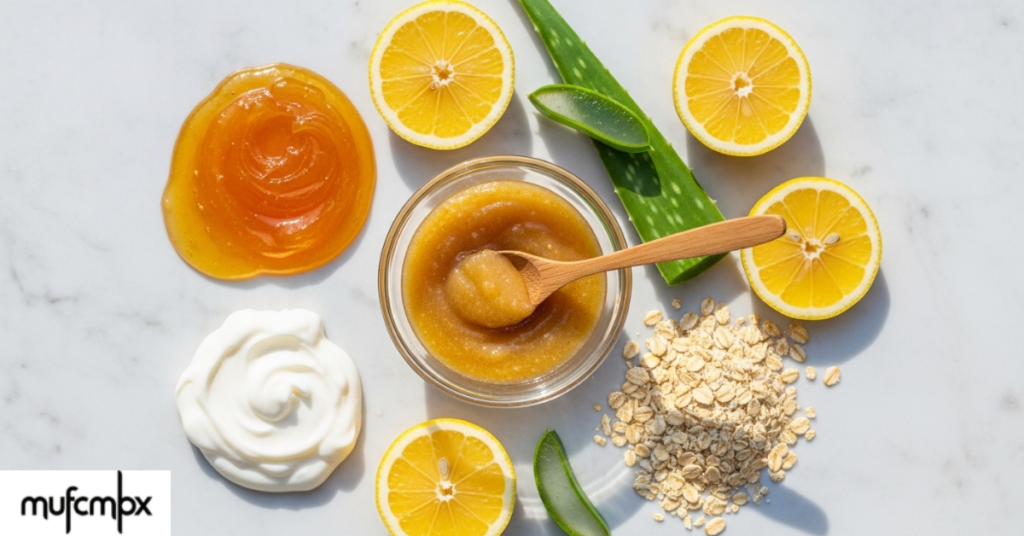
For example, adding yogurt to a honey mask can improve exfoliation and hydration. Yogurt contains lactic acid, which helps remove dead skin cells and smooth the skin’s surface.
Lemon juice is sometimes mixed with honey to brighten dull skin. The natural vitamin C in lemon supports skin radiance and may help fade dark spots over time.
Oatmeal is another common addition. Ground oatmeal gently exfoliates the skin while soothing irritation. When mixed with honey, it creates a calming mask ideal for sensitive or inflamed skin.
Aloe vera gel also pairs well with honey. Aloe provides cooling hydration and supports skin healing, making this combination especially useful for sun-exposed or irritated skin.
Honey Face Mask for Acne-Prone Skin
Acne is one of the most common skin concerns, affecting people of all ages. The antibacterial properties of honey make it particularly helpful for acne management.
When applied to the skin, honey helps reduce the presence of bacteria that contribute to breakouts. It also calms inflammation and redness, which are common symptoms of acne.
Unlike harsh acne treatments that can strip the skin of moisture, a honey face mask maintains hydration while addressing blemishes. This balance is important because overly dry skin can trigger increased oil production, which may worsen acne.
Regular use of honey masks can support clearer skin over time. While it may not replace medical treatments for severe acne, it can be an effective complementary solution for mild to moderate breakouts.
Honey Face Mask for Dry and Sensitive Skin
People with dry or sensitive skin often struggle to find products that provide moisture without causing irritation. Honey is particularly beneficial in these cases because of its gentle and soothing nature.
The humectant properties of honey help restore the skin’s natural moisture barrier. This barrier plays an essential role in protecting the skin from environmental stressors such as pollution and harsh weather.
Sensitive skin can also benefit from honey’s anti-inflammatory compounds. These compounds reduce redness and calm irritation, helping the skin maintain a balanced and healthy appearance.
Because honey is a natural ingredient, it generally works well for individuals who prefer minimal and clean skin care routines.
The Science Behind Honey in Skin Care
Scientific research continues to explore the dermatological benefits of honey. Studies have shown that honey contains compounds such as flavonoids and phenolic acids, which act as powerful antioxidants.
These antioxidants protect skin cells from oxidative stress, which contributes to aging and skin damage. Honey also supports collagen production, a key factor in maintaining skin elasticity and firmness.
Another scientific finding relates to honey’s antimicrobial activity. Certain types of honey, particularly Manuka honey, contain compounds that effectively combat harmful bacteria. This explains why honey has been used historically for wound care and infection prevention.
As modern skin care continues to evolve, honey remains a respected ingredient due to its natural effectiveness and versatility.
Tips for Getting the Best Results
Consistency and proper application can significantly improve the results of a honey face mask. Using high-quality honey ensures that the skin receives the maximum benefits from its nutrients and enzymes.
Performing a patch test before using honey on the entire face can help identify potential sensitivities, although allergic reactions to honey are rare.
Keeping the skin clean before applying the mask allows honey to work more effectively. Hydrating the skin after rinsing off the mask with a gentle moisturizer can also help lock in the moisture provided by honey.
Most importantly, patience is key. Natural skin care ingredients often work gradually, improving the skin’s condition over time rather than delivering instant dramatic changes.
Conclusion
A honey face mask remains one of the simplest yet most powerful natural skin care treatments available today. Its ability to hydrate, soothe, and protect the skin makes it suitable for a wide range of skin types and concerns. From reducing acne and inflammation to improving hydration and radiance, honey offers benefits that have been recognized for centuries.
Modern research continues to confirm what traditional beauty practices have long understood. Honey contains unique compounds that support skin health while remaining gentle and nourishing.
Incorporating a honey face mask into a regular skin care routine can help promote smoother, clearer, and more radiant skin. With consistent use and quality ingredients, this natural remedy can become a valuable part of a healthy beauty routine.
FAQs
Is a honey face mask safe for all skin types?
A honey face mask is generally safe for most skin types, including dry, oily, and sensitive skin. However, individuals with severe allergies to bee products should consult a healthcare professional before use.
How often should a honey face mask be used?
Many skin care experts recommend using a honey face mask once or twice per week. This frequency allows the skin to benefit from honey’s nutrients without overusing the treatment.
Can honey help reduce acne scars?
Honey may support the fading of acne scars over time due to its healing and antioxidant properties. While results vary, regular use may improve overall skin tone and texture.
Should raw honey be used instead of processed honey?
Raw honey is often preferred because it retains more natural enzymes, antioxidants, and antibacterial compounds compared to heavily processed honey.







Leave a Reply