

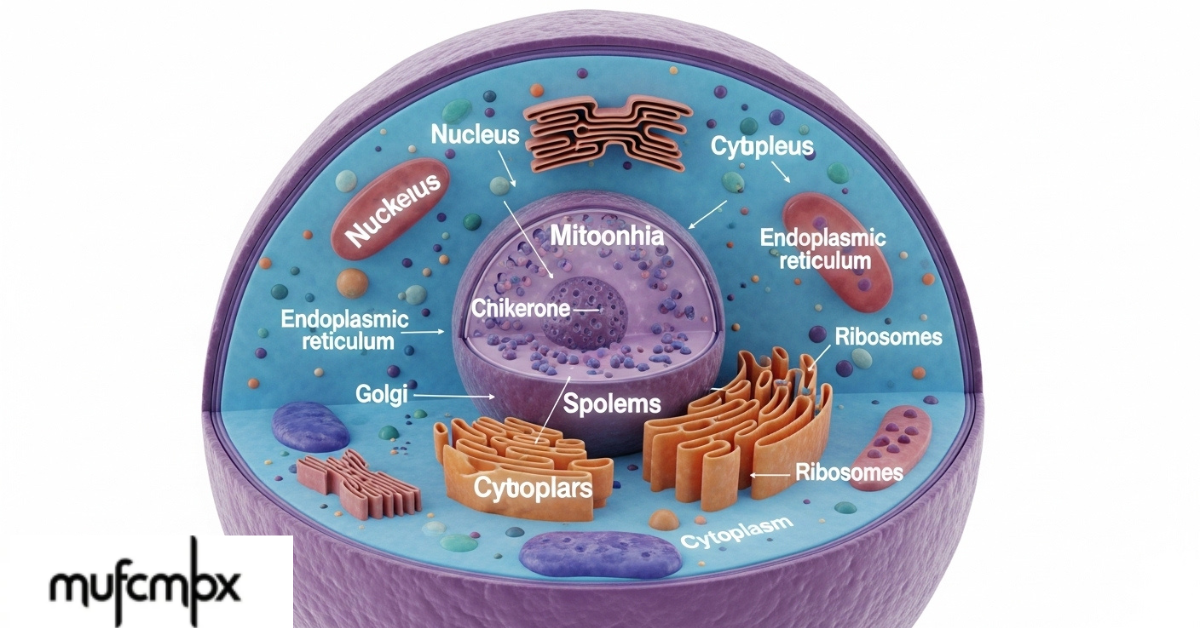
If you zoomed into your body far enough, past tissues and molecules, you would find a busy microscopic world packed with activity. At the center of that world sits the animal cell, a tiny but powerful unit that keeps every living animal alive and functioning. Although most of us first hear about cells in school, the more you explore them, the more fascinating they become.
Understanding the animal cell is not just about memorizing parts for an test. It is about seeing how life operates at its most basic level. In this guide, we will walk through seven key facts that explain how an animal cell is built, how it works, and why it matters. Whether you are a student, a curious reader, or someone refreshing their biology knowledge, this article breaks complex ideas into clear, practical insights.
What Is an Animal Cell?
Before diving into the key facts, it helps to define what an animal cell actually is. An animal cell is a type of eukaryotic cell found in animals. It contains specialized structures called organelles that perform specific tasks, much like departments in a well-run company.
Unlike plant cells, the animal cell does not have a cell wall or chloroplasts. Instead, it relies on a flexible cell membrane and a complex internal system to carry out essential biological processes. These processes include energy production, protein synthesis, waste removal, and cell communication.
Basic Components of an Animal Cell
Most animal cells share a core set of structures:
- Cell membrane
- Cytoplasm
- Nucleus
- Mitochondria
- Ribosomes
- Endoplasmic reticulum
- Golgi apparatus
- Lysosomes
- Cytoskeleton
Each of these parts contributes to the survival and efficiency of the cell.
Fact 1: The Animal Cell Is the Basic Unit of Life
The first and most important fact is simple yet powerful: the animal cell is the fundamental unit of life in animals. Every tissue and organ in the body is built from billions of cells working together.
Cells are responsible for:
- Growth and development
- Repair and regeneration
- Energy production
- Genetic information storage
Inside each animal cell, DNA carries instructions that guide cell behavior. During cell division, this genetic material is copied and passed on, ensuring continuity from one generation of cells to the next.
Why This Matters
Understanding cell theory helps explain how diseases develop and how the body heals. For example, when cells divide uncontrollably, it can lead to conditions like cancer. On the other hand, controlled cell division supports wound healing and tissue repair.
Fact 2: The Nucleus Acts as the Control Center
The nucleus is often described as the brain of the animal cell. It houses the genetic material and controls most cellular activities. Inside the nucleus, DNA is organized into chromosomes that carry genes.
Functions of the Nucleus
The nucleus performs several critical roles:
- Regulating gene expression
- Directing protein production
- Controlling cell growth
- Managing cell division
A structure called the nucleolus inside the nucleus produces ribosomal RNA, which is essential for building ribosomes. Without the nucleus, the animal cell would lose its ability to coordinate internal processes.
Fact 3: Organelles Work Like Specialized Departments
One of the most fascinating aspects of the animal cell is its system of organelles. Each organelle has a unique function, and together they keep the cell alive and efficient.
Major Organelles and Their Functions
| Organelle | Primary Function |
|---|---|
| Mitochondria | Produce energy (ATP) through cellular respiration |
| Ribosomes | Synthesize proteins |
| Endoplasmic reticulum | Process and transport proteins and lipids |
| Golgi apparatus | Modify and package proteins |
| Lysosomes | Break down waste and cellular debris |
| Cytoskeleton | Provide shape and structural support |
This division of labor allows the animal cell to perform complex biochemical reactions simultaneously. For instance, mitochondria generate energy while ribosomes assemble proteins, ensuring smooth cellular metabolism.
Fact 4: Mitochondria Are the Powerhouses
Mitochondria are often called the powerhouses of the animal cell, and for good reason. They convert nutrients into adenosine triphosphate (ATP), the molecule that fuels cellular activities.
How Mitochondria Produce Energy
Through cellular respiration, mitochondria break down glucose and oxygen to release energy. This energy supports:
- Muscle contraction
- Nerve signaling
- Active transport across membranes
- Biosynthesis of molecules
Interestingly, mitochondria contain their own DNA. This unique feature suggests they evolved from ancient bacteria that formed a symbiotic relationship with early cells.
Fact 5: The Cell Membrane Controls Movement
The cell membrane is a thin, flexible barrier that surrounds the animal cell. It acts as a gatekeeper, regulating what enters and exits the cell.
Key Features of the Cell Membrane
The membrane is made of a phospholipid bilayer with embedded proteins. It supports:
- Selective permeability
- Cell communication
- Transport of nutrients and waste
- Protection of internal structures
Transport mechanisms include diffusion, osmosis, and active transport. These processes maintain homeostasis, allowing the animal cell to function in changing environments.
Fact 6: Cytoplasm Is the Site of Constant Activity
The cytoplasm fills the interior of the animal cell and suspends the organelles. It is a gel-like substance where many chemical reactions occur.
Roles of the Cytoplasm
Within the cytoplasm:
- Enzymes catalyze metabolic reactions
- Nutrients are processed
- Molecules are transported
- Cellular components interact
The cytoskeleton, a network of protein fibers, runs through the cytoplasm. It provides structural integrity and helps with intracellular transport. Without this framework, the cell would collapse and lose its shape.
Fact 7: Animal Cells Are Highly Specialized
Not all animal cells look or behave the same. Specialization allows cells to perform distinct functions in multicellular organisms.
Examples of Specialized Animal Cells
Different cell types include:
- Nerve cells that transmit electrical signals
- Muscle cells that contract and generate movement
- Blood cells that transport oxygen
- Epithelial cells that form protective layers
Each specialized animal cell has adaptations that support its role. For example, muscle cells contain more mitochondria to meet high energy demands. This diversity enables complex biological systems to operate smoothly.
Differences Between Animal and Plant Cells
Although both are eukaryotic cells, animal and plant cells differ in important ways.
Key Differences
- Animal cells lack a rigid cell wall
- Plant cells contain chloroplasts for photosynthesis
- Animal cells often have irregular shapes
- Plant cells usually have a large central vacuole
These distinctions reflect different survival strategies. While plant cells focus on energy production through sunlight, the animal cell relies on consuming organic nutrients.
Why Understanding the Animal Cell Is Important
Learning about the animal cell is more than an academic exercise. It forms the foundation of modern biology, medicine, and biotechnology.
Knowledge of cell structure and function helps scientists:
- Develop medical treatments
- Study genetic disorders
- Advance regenerative medicine
- Improve drug delivery systems
Moreover, understanding cellular processes deepens our appreciation for how the body maintains balance and adapts to change.
Common Misconceptions About Animal Cells
Despite widespread education, several myths about the animal cell persist.
Clarifying the Myths
- Cells are not empty spaces; they are densely packed with organelles
- Not all cells are identical in size or shape
- Cells are dynamic, constantly changing and responding
- The nucleus is not always centered within the cell
Recognizing these facts encourages a more accurate and nuanced view of cell biology.
Conclusion
The animal cell is a remarkable example of biological engineering. From the nucleus that safeguards genetic information to the mitochondria that power every action, each component plays a vital role. By understanding these seven key facts, you gain insight into the invisible processes that sustain life.
Moreover, studying the animal cell reveals how complex systems arise from simple building blocks. This knowledge not only supports academic success but also nurtures curiosity about the natural world. If you found this guide helpful, consider sharing your thoughts or questions in the comments and passing it along to others who want to explore the science of life at the cellular level.





Leave a Reply