

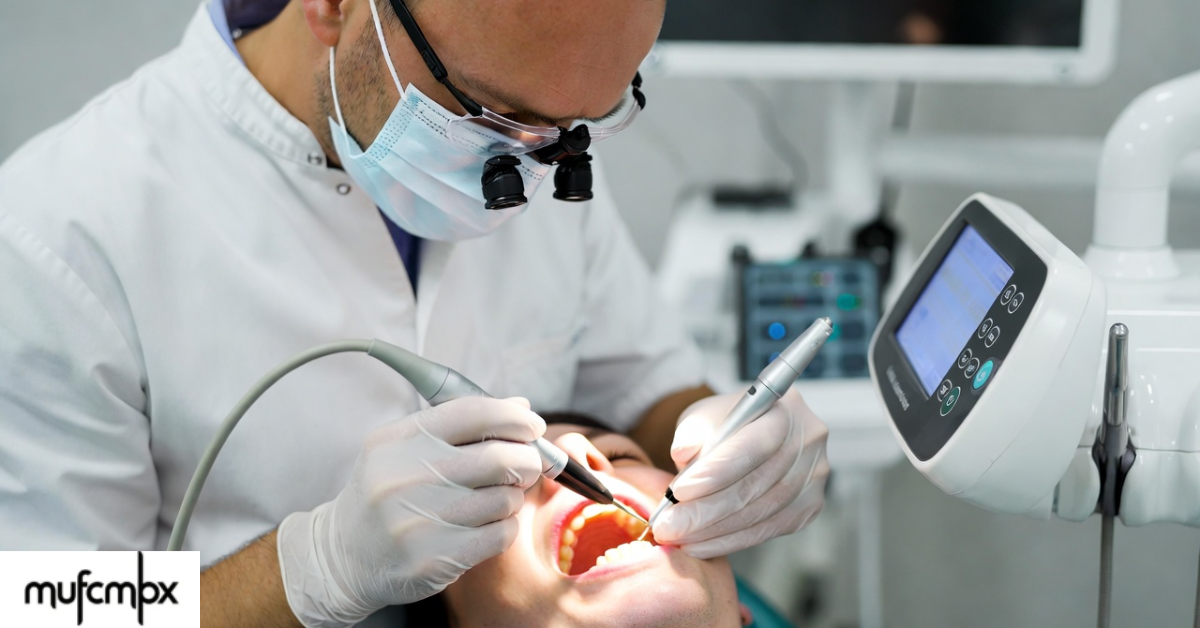
Root canal treatment has never been the most glamorous procedure in dentistry. Yet, when done right, it saves natural teeth, eliminates pain, and restores function beautifully. The real secret behind a successful root canal isn’t just skillful hands. It’s precision. And that’s exactly where apex locator dental technology changes the game.
If you’ve ever wondered how dentists determine the exact working length inside a tooth’s root canal system, you’re not alone. For decades, clinicians relied heavily on radiographs, tactile sensation, and experience. While those methods still matter, modern endodontics now leans on something far more accurate: the apex locator dental device.
Let’s take a deep dive into how this technology works, why it matters, and how it dramatically improves root canal accuracy in everyday clinical practice.
Understanding the Basics of Root Canal Accuracy
Before we talk about devices and digital readings, it’s important to understand what “accuracy” really means in endodontic therapy.
During a root canal procedure, a dentist removes infected pulp tissue, cleans and shapes the canal space, and fills it with a biocompatible material like gutta-percha. The most critical step is determining the correct working length. This is the precise distance from the crown of the tooth to the apical constriction, near the root apex.
If the working length is too short, infected tissue may remain. If it’s too long, instruments and filling material can pass beyond the apical foramen, irritating surrounding tissues and causing postoperative pain.
In simple terms, accuracy determines success.
What Is an Apex Locator Dental Device?
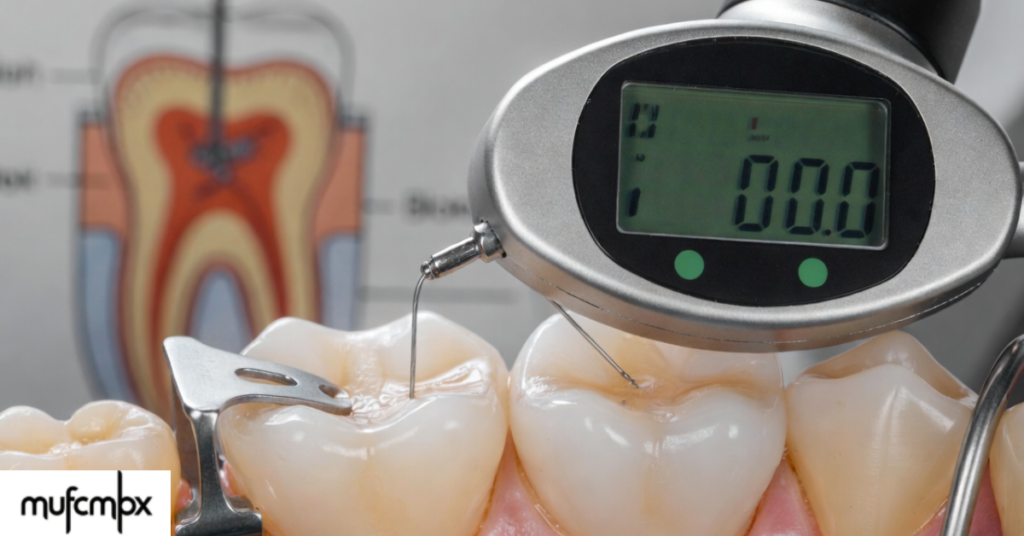
An apex locator dental device is an electronic instrument used to measure the working length of a root canal. It works by detecting changes in electrical resistance or impedance between the periodontal ligament and oral mucosa.
Modern electronic apex locators are compact, digital, and highly reliable. They provide real-time measurements as the endodontic file moves through the canal.
Unlike traditional radiography, which gives a two-dimensional image, apex locator dental technology offers dynamic feedback. That difference alone significantly reduces guesswork.
Key Components of an Apex Locator
Most apex locator dental systems include:
- A main unit with digital display
- A lip clip electrode
- A file clip that attaches to the endodontic file
- Connection cables
When connected, the device completes an electrical circuit. As the file advances toward the root apex, the device measures impedance changes and displays the exact position.
It sounds technical, but in practice, it’s straightforward and efficient.
The Evolution of Apex Locator Technology
Early generations of electronic apex locators were sensitive to moisture and canal contents. Blood, irrigants, and pulp tissue could distort readings. As a result, clinicians were cautious.
However, modern apex locator dental units use multi-frequency impedance measurement. This advancement makes them highly accurate even in the presence of sodium hypochlorite, saline, or chlorhexidine.
Today’s devices boast accuracy rates exceeding 95 percent when used correctly. That level of precision has reshaped endodontic practice.
How Apex Locator Dental Improves Root Canal Accuracy
Let’s break this down clearly and practically.
1. Precise Working Length Determination
This is the core benefit.
An apex locator dental device identifies the apical constriction with remarkable accuracy. Instead of estimating based on radiographic interpretation, the clinician receives real-time data.
This precision leads to:
- Better canal cleaning
- More effective shaping
- Optimal obturation length
- Reduced over-instrumentation
In endodontics, fractions of a millimeter matter. Apex locator technology respects that.
2. Reduced Dependence on Radiographs
Dental radiographs remain essential, but excessive X-rays are not ideal for patients or clinicians.
By using apex locator dental systems, dentists can:
- Minimize radiation exposure
- Confirm measurements digitally
- Use radiographs for verification rather than estimation
This approach supports safer, more patient-centered care.
3. Increased Treatment Success Rates
Accurate working length correlates directly with successful root canal therapy. When debris and bacteria are completely removed without damaging periapical tissues, healing improves.
Clinical studies consistently show higher endodontic success rates when electronic working length determination is combined with radiographic evaluation.
Simply put, precision improves prognosis.
4. Reduced Postoperative Complications
Over-instrumentation can push bacteria and debris beyond the root apex. This may cause:
- Inflammation
- Swelling
- Persistent pain
- Delayed healing
An apex locator dental device helps prevent these issues by guiding instrumentation within the ideal canal boundaries.
Patients notice the difference. Fewer callbacks. Less discomfort. Better outcomes.
5. Better Management of Complex Anatomy
Not all teeth are simple. Some present:
- Curved canals
- Calcified canals
- Accessory canals
- Resorptive defects
- Immature apices
In such cases, relying solely on radiographic interpretation can be misleading. Apex locator dental technology provides a more accurate reference point even in challenging cases.
For molars with multiple canals, this becomes especially valuable.
Apex Locator Dental vs Traditional Radiographic Methods
Here’s a simplified comparison:
Feature | Apex Locator Dental | Radiographs
Accuracy | Very high | Moderate
Radiation | None | Yes
Real-time feedback | Yes | No
Two-dimensional limitation | No | Yes
Moisture interference | Minimal (modern units) | Not applicable
Both methods complement each other. However, when precision is critical, the electronic apex locator has a clear edge.
Integration with Modern Endodontic Systems
Today’s dental clinics often combine apex locator dental devices with rotary endodontic motors. Some endomotors have built-in apex locator functionality.
This integration allows:
- Automatic file stop at working length
- Reverse rotation near apex
- Safer instrumentation
- Efficient workflow
In busy dental practices, efficiency matters. Technology that improves both speed and safety is a win.
Clinical Workflow with Apex Locator Dental
Here’s how the process typically works:
Step 1: Access Preparation
The dentist creates an access cavity to reach the pulp chamber.
Step 2: Canal Exploration
A small K-file is introduced into the canal.
Step 3: Device Setup
The lip clip attaches to the patient. The file clip connects to the instrument.
Step 4: Working Length Measurement
The apex locator dental device displays the file’s position as it approaches the apical constriction.
Step 5: Confirmation
A radiograph may be taken for verification.
This streamlined workflow improves efficiency while maintaining accuracy.
Benefits for Dental Professionals
For dentists and endodontists, apex locator dental systems offer more than just numbers on a screen.
They provide:
- Greater confidence
- Reduced stress during treatment
- Fewer procedural errors
- Improved case documentation
- Enhanced professional credibility
In addition, dental students and new practitioners benefit tremendously from objective measurements rather than relying solely on tactile sensation.
Benefits for Patients
Patients may not know what an apex locator dental device is, but they certainly experience its benefits.
These include:
- Less discomfort
- Shorter chair time
- Reduced radiation exposure
- Higher treatment success
- Lower risk of retreatment
That translates into trust. And trust builds a strong dental practice.
Common Myths About Apex Locator Dental Devices
Let’s clear up a few misconceptions.
Myth 1: They Replace Radiographs Completely
Not true. They reduce reliance but do not eliminate the need for radiographic assessment.
Myth 2: They Don’t Work in Wet Canals
Modern devices function accurately even in irrigated canals.
Myth 3: They Are Too Expensive for Small Clinics
While initial investment exists, improved efficiency and reduced retreatment costs often justify the expense.
Choosing the Right Apex Locator Dental Device
When selecting a device, consider:
- Accuracy ratings
- Multi-frequency technology
- Clear digital display
- Integration with endomotor systems
- Battery life
- Ergonomic design
- Warranty and support
Leading brands in dental equipment manufacturing continue to innovate in this space, making devices more compact and reliable.
The Role of Apex Locator Dental in Evidence-Based Dentistry
Modern dentistry emphasizes evidence-based practice. That means clinical decisions should rely on scientific research, clinical expertise, and patient values.
Electronic working length determination is well supported in peer-reviewed endodontic literature. Its use aligns with best practices in conservative dentistry and minimally invasive procedures.
By adopting apex locator dental technology, clinicians demonstrate commitment to accuracy, patient safety, and professional excellence.
Limitations and Considerations
No device is perfect.
Apex locator dental units may show reduced accuracy in cases such as:
- Large periapical lesions
- Root perforations
- Open apices in immature teeth
However, experienced clinicians understand these limitations and use multiple diagnostic tools to confirm measurements.
Technology enhances judgment. It does not replace it.
The Future of Apex Locator Dental Technology
Digital dentistry continues to evolve rapidly. Artificial intelligence, 3D imaging, and cone beam computed tomography are becoming more accessible.
Future apex locator dental systems may integrate with:
- Digital patient records
- AI-powered treatment planning
- Smart instrumentation tracking
- Wireless connectivity
As innovation continues, accuracy will only improve further.
Why Precision in Endodontics Truly Matters
A root canal is not just about removing infection. It’s about preserving a natural tooth. When the working length is accurate, cleaning and obturation are optimal. Healing occurs faster. Complications decrease.
The apex locator dental device supports this precision at every step.
In many ways, it represents the shift from estimation to evidence-driven dentistry.
Final Thoughts
Dentistry has evolved from purely mechanical techniques to digitally guided precision. The apex locator dental device stands as one of the most impactful innovations in endodontic treatment.
It improves working length determination, reduces radiographic dependence, enhances patient safety, and increases treatment success rates. Moreover, it boosts clinician confidence and efficiency.
If you’re a dental professional, investing in reliable apex locator dental technology isn’t just about staying modern. It’s about delivering better care. And if you’re a patient, understanding this technology can help you appreciate the precision behind your treatment.







Leave a Reply