

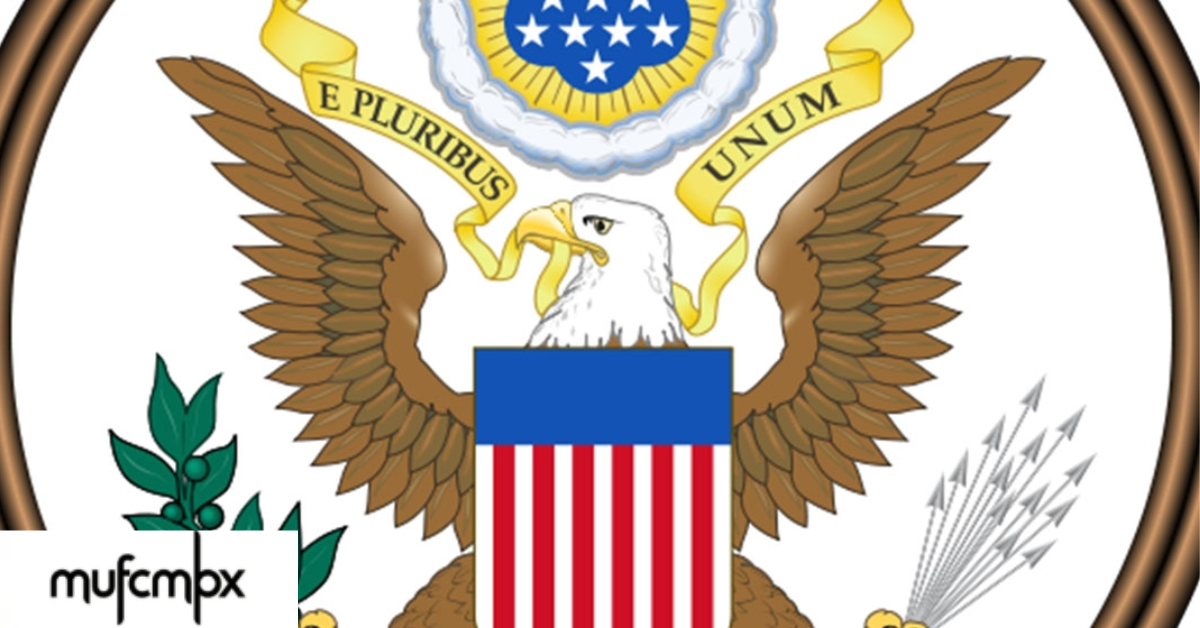
Few phrases in American history carry as much quiet power as e pluribus Unum. You’ve probably seen it stamped on coins, printed on official seals, or mentioned in history books. Yet many people pass by it without stopping to ask a simple question: what does it actually mean, and why has it endured for centuries?
This short Latin motto tells a long story about unity, identity, and the founding ideals of the United States. More than a decorative phrase, e pluribus Unum reflects a philosophy that helped shape a nation built from diversity. In this article, we’ll explore its literal meaning, historical roots, symbolic importance, and modern relevance in a way that’s clear, engaging, and grounded in real historical context.
What Does E Pluribus Unum Mean?
At its core, e pluribus Unum translates from Latin as “Out of many, one.” The phrase captures the idea that many separate parts can come together to form a single, unified whole.
Breaking Down the Latin Phrase
To understand it better, it helps to look at each word:
- E means “out of” or “from”
- Pluribus means “many”
- Unum means “one”
Together, they express the concept of unity emerging from diversity. In the context of American history, the phrase originally referred to the union of the thirteen colonies forming one nation. However, over time, its meaning expanded to symbolize the blending of cultures, peoples, and traditions into a shared national identity.
This elegant Latin motto became a cornerstone of American symbolism. It appeared alongside other national emblems and patriotic expressions that emphasized cooperation, federation, and shared purpose.
The Historical Origins of E Pluribus Unum
The story of e pluribus Unum begins in the late 18th century, during the birth of the United States. The newly independent nation needed symbols that represented its political vision and collective identity.
The Great Seal of the United States
In 1776, the Continental Congress formed a committee to design the Great Seal of the United States. After several revisions and contributions from artists and statesmen, the final design was approved in 1782. E pluribus Unum was placed on a banner held in the beak of a bald eagle, the national bird.
The motto served as a concise statement of the new republic’s mission. Thirteen original states, each with its own government and interests, were joining together under a federal system. The phrase expressed both political unity and shared destiny.
Influences Behind the Motto
Historians believe the phrase may have been inspired by earlier uses in European literature and publications. Latin mottos were popular among educated elites at the time, especially those familiar with classical Roman culture. The Founding Fathers valued classical education, and Latin phrases carried an air of authority and timeless wisdom.
In addition, the Enlightenment ideals of cooperation, civic virtue, and republican government influenced the choice. E pluribus Unum aligned perfectly with these philosophical currents.
Symbolism and National Identity
The power of e pluribus Unum lies in its symbolism. It represents more than a historical slogan; it serves as a guiding principle for national unity.
Unity in Diversity
America has always been a nation shaped by immigration and cultural exchange. The motto suggests that differences in background, language, and tradition can coexist within a shared framework. This idea remains central to discussions about citizenship, social cohesion, and democratic values.
Key symbolic themes include:
- Unity among states within a federal republic
- Cultural diversity forming a common identity
- Collective strength through cooperation
- Shared civic responsibility
These themes continue to influence debates about national character and social harmony.
Presence on Currency and Official Symbols
Most Americans encounter e pluribus Unum on everyday objects, especially coins and paper money. Its placement on currency reinforces the idea of shared economic and political systems. The motto also appears on official documents, emblems, and government insignia.
This constant visibility helps embed the phrase into public consciousness. Even people unfamiliar with Latin recognize it as part of the nation’s symbolic language.
E Pluribus Unum in American Culture
Beyond official seals and currency, e pluribus Unum has entered broader American culture. Writers, educators, and public speakers often reference it when discussing unity and national purpose.
In Education and Civic Life
Schools frequently use the motto to teach students about early American history and civic ideals. It provides a simple entry point into conversations about federalism, democracy, and the Constitution.
Educators use the phrase to highlight:
- The formation of the United States
- The importance of cooperation among states
- The role of shared values in nation-building
- The evolution of American identity
These lessons connect historical facts with modern civic responsibilities.
In Public Discourse
Politicians and commentators sometimes invoke e pluribus Unum during times of social tension. The phrase serves as a reminder of the nation’s founding commitment to unity despite disagreement.
While interpretations may vary, the underlying message remains consistent: a diverse society can function as a cohesive whole when guided by common principles.
Comparing E Pluribus Unum with Other National Mottos
Although e pluribus Unum is widely recognized, it is not the only motto associated with the United States. Understanding how it compares with other national phrases adds depth to its significance.
Key Differences and Similarities
Here’s a simple comparison:
| Motto | Meaning | Focus |
|---|---|---|
| E pluribus Unum | Out of many, one | Unity and diversity |
| In God We Trust | Religious faith | Spiritual belief |
| Liberty and Justice for All | Equality and rights | Democratic ideals |
While each phrase highlights a different aspect of national identity, e pluribus Unum stands out for its emphasis on collective unity. It speaks directly to the structure of the nation as a union of states and peoples.
Modern Relevance of E Pluribus Unum
Some might wonder whether an 18th-century Latin motto still matters in the 21st century. Surprisingly, e pluribus Unum remains highly relevant.
A Framework for Contemporary Society
Today’s America is even more diverse than it was at its founding. Questions about immigration, cultural identity, and social integration continue to shape public conversation. The motto offers a framework for thinking about these issues.
It suggests that diversity is not a weakness but a source of strength when balanced with shared civic values. Moreover, it encourages dialogue about how individuals and communities contribute to the larger whole.
Lessons for a Globalized World
The message of e pluribus Unum extends beyond national borders. In a globalized world, many societies grapple with the challenge of uniting diverse populations. The phrase provides a timeless reminder that cooperation and mutual respect are essential for stability and progress.
Common Misconceptions About the Motto
Despite its popularity, e pluribus Unum is sometimes misunderstood.
It Is Not the Official National Motto
Many people assume it is the official national motto of the United States. In fact, the official motto is “In God We Trust.” However, e pluribus Unum remains a de facto motto due to its historical prominence and symbolic importance.
It Represents More Than the Original Colonies
Another misconception is that the phrase applies only to the thirteen original states. While that was its initial context, its meaning evolved to encompass the entire nation and its people.
Understanding these nuances helps clarify the motto’s enduring relevance.
Why E Pluribus Unum Still Matters
In an era marked by rapid change and social debate, e pluribus Unum continues to resonate. Its message is simple yet profound: unity does not require uniformity.
The phrase invites reflection on how societies balance individuality with collective identity. It encourages citizens to recognize both their differences and their shared commitments. In addition, it reminds us that cooperation is a deliberate choice, not an automatic outcome.
For historians, educators, and everyday readers, the motto offers a lens through which to examine the American experiment. It connects past ideals with present challenges and future possibilities.
Conclusion
E pluribus Unum is more than a Latin inscription on a coin. It is a compact expression of a powerful idea that helped shape the United States from its earliest days. By translating to “Out of many, one,” the phrase captures the essence of unity emerging from diversity.
We’ve explored its meaning, historical origins, symbolism, cultural presence, and modern relevance. Together, these elements show why the motto continues to hold significance in American life. It speaks to the ongoing effort to build a cohesive society from varied backgrounds and perspectives.
If this exploration of e pluribus Unum sparked your interest, consider sharing your thoughts or discussing the motto with others. Conversations about history and identity help keep these ideas alive, and they remind us that the story behind a simple phrase can still shape how we see the world today.





Leave a Reply