

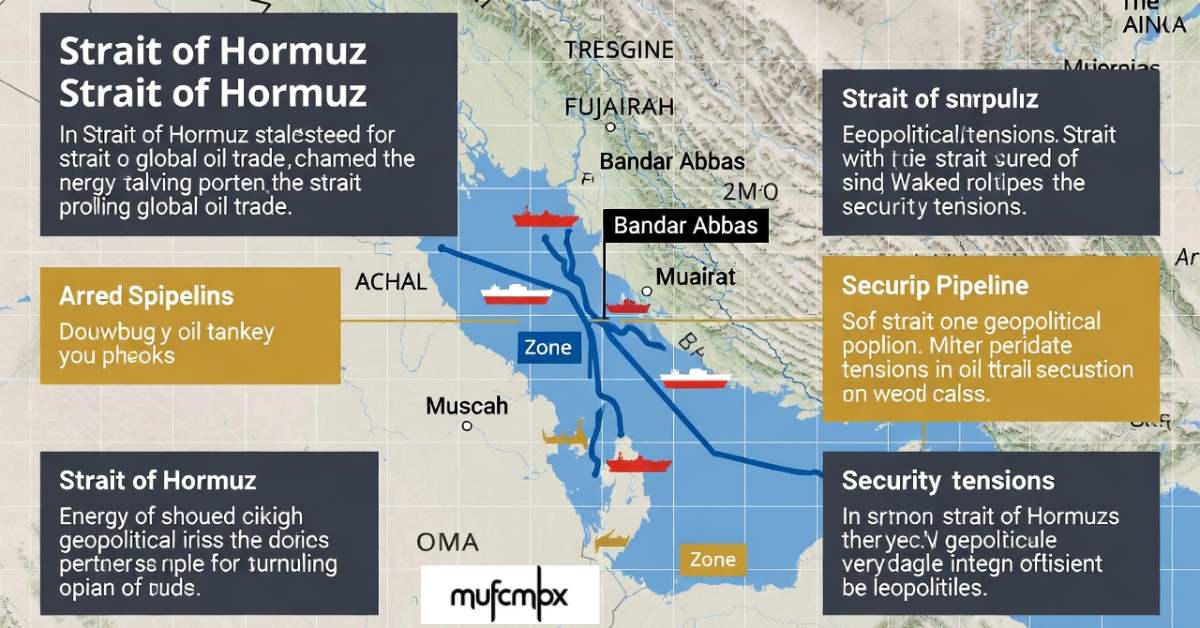
When we talk about global oil markets, few places hold as much strategic weight as the Iran Strait of Hormuz. This narrow waterway, hugging the southern coast of Iran and northern Oman, serves as a lifeline for the world’s energy supply. Roughly one-fifth of all global oil shipments pass through this strait, making it not just a regional concern but a global one.
Understanding the Iran Strait of Hormuz isn’t just for policymakers or traders; it affects everything from your gas prices at the pump to the stability of entire economies. But how exactly does this narrow passage wield such enormous influence over oil prices? Let’s dive in.
Why the Iran Strait of Hormuz Is So Critical
At first glance, the strait might seem just another maritime route. However, it’s one of the most important chokepoints in global energy trade. Here’s why:
- Oil Transit Volume: About 17-21 million barrels of oil pass through daily. That’s nearly 20% of global oil exports.
- Global Dependency: Countries from Asia to Europe depend on this passage for their energy needs.
- Limited Alternatives: There are few pipelines or alternative routes that can handle such massive quantities efficiently.
In short, any disruption—even minor—can trigger spikes in oil prices, panic in financial markets, and ripple effects across energy-dependent industries.
The Geography of the Strait
The Iran Strait of Hormuz is deceptively simple on a map: it’s roughly 21 nautical miles wide at its narrowest point, separating Iran from Oman. Despite its small size, the strait has strategic depth, as it serves as a funnel for oil tankers leaving the Persian Gulf.
- Northern Shore: Iran, with multiple oil terminals and military installations.
- Southern Shore: Oman, offering a more neutral maritime buffer.
- Shipping Lanes: Strictly defined lanes guide tankers, yet the narrow width amplifies risk during tensions.
This geography explains why even political tensions or military maneuvers in the region can immediately affect global oil markets.
How Oil Prices React to Strait Tensions
Oil markets are notoriously sensitive to uncertainty, and the Iran Strait of Hormuz is often a source of geopolitical unpredictability. Over the past decades, several events have caused noticeable spikes in oil prices:
- 2008 Financial Crisis & Strait Tensions: Threats of closure led to temporary surges in Brent crude prices.
- 2019 Drone Attacks: When tankers were targeted near the strait, oil prices jumped by 4-5% in a single day.
- US-Iran Sanctions: Every round of sanctions increased market volatility, largely due to fears of restricted passage.
Analysts often monitor not just the physical security of the strait, but also political rhetoric, naval exercises, and sanctions announcements, as these factors directly influence investor confidence and oil futures.
Global Economic Implications
It’s not just energy traders who feel the impact. The Iran Strait of Hormuz plays a pivotal role in the broader economy:
- Supply Chain Risks: Industries relying on oil-based energy or petrochemicals face cost fluctuations.
- Inflation Pressure: Higher oil prices can translate into higher transportation, heating, and manufacturing costs.
- Energy Security: Countries with limited domestic oil production monitor the strait closely to avoid crises.
In essence, a disruption in this region is felt far beyond the Persian Gulf—it resonates in your household, your car, and your electricity bills.
Strategic Measures and Alternative Routes
Given its importance, nations and companies have sought alternative routes to reduce dependency on the Iran Strait of Hormuz. Some notable measures include:
- Pipelines: The Abu Dhabi Crude Oil Pipeline and Saudi Arabia’s East-West Pipeline offer bypass routes.
- Diversified Shipping: Shipping companies increasingly consider longer maritime routes around the Arabian Peninsula.
- Strategic Reserves: Countries like the US, China, and Japan maintain oil reserves to buffer short-term supply disruptions.
However, these alternatives often cannot fully replace the strait, meaning it remains a core artery for global oil flow.
Political Dynamics That Affect the Strait
The Iran Strait of Hormuz isn’t just a physical chokepoint—it’s a geopolitical hotspot. Here’s what shapes its dynamics:
- Iranian Military Presence: Iran’s naval forces and missile capabilities in the region act as both a deterrent and a potential flashpoint.
- International Alliances: The US and allied naval forces patrol nearby waters, adding layers of security and tension.
- Regional Conflicts: Any escalation in the Middle East can immediately threaten passage, as seen in past tanker incidents.
These political factors feed directly into oil price speculation, making the strait one of the most monitored maritime routes in the world.
Energy Market Insights
For investors, energy analysts, and governments, understanding the Iran Strait of Hormuz is crucial. Some key insights include:
- Price Sensitivity: Even rumors of closure can push oil futures upward.
- Supply Bottlenecks: Major exporters like Saudi Arabia, Iraq, and Iran rely on this route.
- Insurance Costs: Tankers passing through high-risk zones pay higher premiums, affecting shipping costs.
- Strategic Hedging: Traders often use options and futures to hedge against potential disruptions.
The interplay between physical supply constraints and market perception explains why oil prices are so reactive to this narrow stretch of water.
The Future of the Strait
Looking ahead, several trends may shape the Iran Strait of Hormuz:
- Renewable Energy Growth: While oil dependence may decline, the strait will remain important for decades.
- Technological Advances: Smart navigation, monitoring systems, and naval technologies could mitigate risks.
- Diplomatic Engagements: Ongoing negotiations between Iran, the US, and neighboring countries may stabilize the region.
Yet, the underlying truth remains: as long as the world relies on Persian Gulf oil, the Iran Strait of Hormuz will dictate market sentiment.
Quick Facts Table
| Fact | Detail |
|---|---|
| Width | 21 nautical miles at narrowest point |
| Countries Bordering | Iran, Oman |
| Daily Oil Transit | 17-21 million barrels |
| Global Oil Percentage | ~20% of exports |
| Alternative Routes | Abu Dhabi & Saudi East-West pipelines |
| Strategic Importance | High for energy markets & geopolitics |
| Risks | Military tension, sanctions, shipping accidents |
Practical Takeaways for Businesses and Consumers
Understanding the Iran Strait of Hormuz isn’t just for analysts. Here’s why it matters to you:
- Consumers: Gas prices may fluctuate based on strait tensions.
- Businesses: Companies reliant on petroleum-based logistics must plan for potential supply disruptions.
- Investors: Awareness of strait dynamics can inform energy market investments.
Monitoring the strait and global news can help you anticipate changes in energy costs and market trends.
Conclusion
The Iran Strait of Hormuz is more than just a waterway—it’s a lifeline of the global oil economy. Its narrow width, strategic location, and geopolitical sensitivity make it a constant influencer of oil prices, market confidence, and global trade. From political maneuvers to military tensions, any event in this strait sends ripples across continents.
Whether you’re a trader, policymaker, or simply someone paying for gas, understanding the Iran Strait of Hormuz equips you with insights into why energy prices move the way they do.
The next time oil prices spike, remember: a narrow channel of water between Iran and Oman might just be the culprit.
What’s your perspective on the Iran Strait of Hormuz? Share your thoughts in the comments and let’s discuss how this strategic passage shapes our world.




Leave a Reply