

Introduction
Pascua is one of the most meaningful and widely celebrated religious observances across the world, carrying deep spiritual, cultural, and historical significance. The word Pascua is commonly used in Spanish-speaking countries and can refer to Easter, Passover, or even Christmas depending on regional context. However, in most cases today, Pascua is closely associated with Easter, commemorating the resurrection of Jesus Christ and symbolizing renewal, hope, and rebirth.
Understanding Pascua goes beyond simply recognizing it as a holiday. It represents centuries of tradition, faith, and evolving cultural expressions. From solemn religious ceremonies to joyful family gatherings, Pascua continues to hold a central place in communities worldwide. In this comprehensive guide, we will explore the origins of Pascua, its religious significance, global traditions, cultural variations, and how it is celebrated in modern times.
The Meaning and Origin of Pascua
The term Pascua originates from the Latin word “Pascha,” which itself comes from the Hebrew word “Pesach,” meaning Passover. This connection highlights the deep roots Pascua has in both Jewish and Christian traditions. In Christianity, Pascua refers to Easter, the celebration of Jesus Christ’s resurrection after his crucifixion.
Historically, the early Christian church aligned the celebration of Easter with the Jewish Passover because both events symbolize liberation and renewal. Passover commemorates the Israelites’ freedom from slavery in Egypt, while Easter represents spiritual redemption and victory over death.
Over time, the word Pascua evolved in different cultures. In Spanish-speaking regions, Pascua may refer to several religious festivals, but “Pascua de Resurrección” specifically denotes Easter. This linguistic richness reflects how traditions adapt while maintaining their core spiritual meaning.
Religious Significance of Pascua
Pascua holds profound importance in Christianity as the cornerstone of faith. The resurrection of Jesus Christ is seen as the ultimate triumph over sin and death, offering believers the promise of eternal life.
The events leading up to Pascua are equally significant. Holy Week, known as “Semana Santa,” begins with Palm Sunday and includes Maundy Thursday, Good Friday, and Holy Saturday. Each day represents a key moment in the final days of Jesus’ life, culminating in the celebration of resurrection on Easter Sunday.
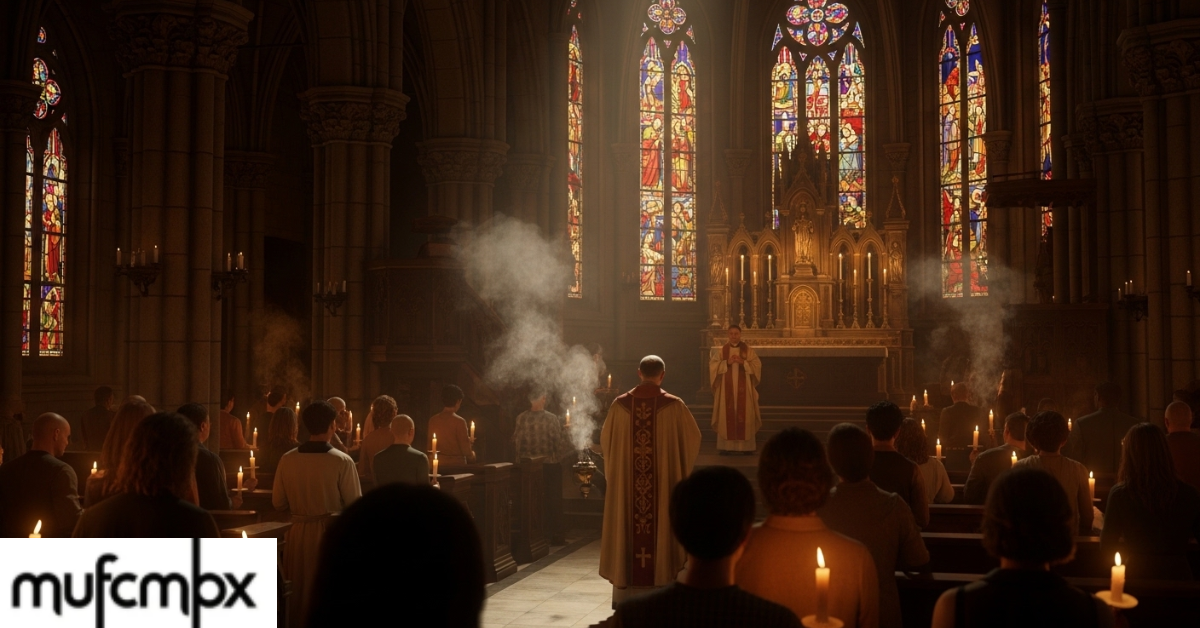
Church services during Pascua often include special prayers, hymns, and readings that reflect themes of sacrifice, redemption, and renewal. For many believers, this period is also a time of reflection, repentance, and spiritual growth.
Cultural Interpretations of Pascua
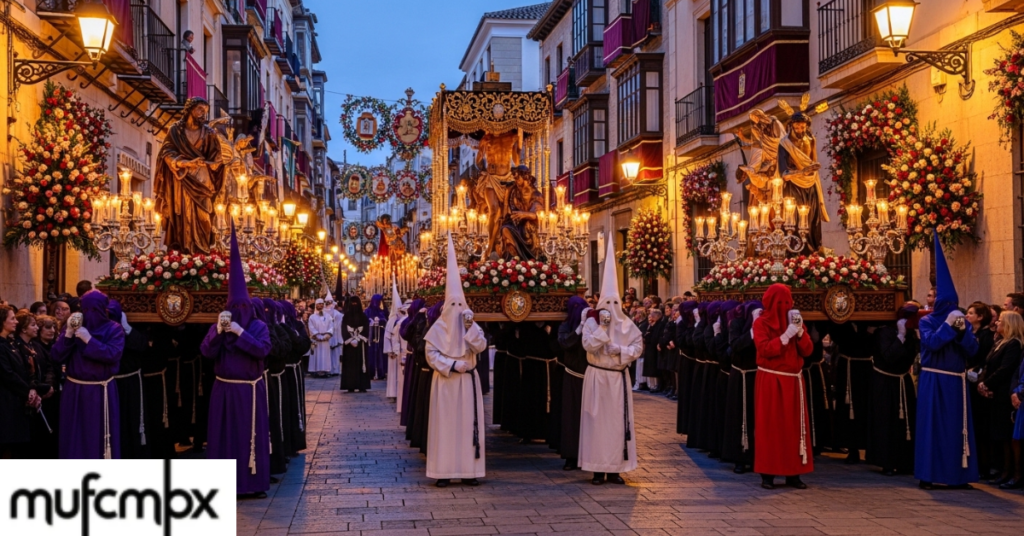
While Pascua is rooted in religious tradition, it has also evolved into a cultural celebration that varies widely across regions. In many countries, it blends sacred rituals with festive customs, creating a unique and vibrant experience.
In Spain and Latin America, Pascua is marked by elaborate processions during Semana Santa. Participants carry religious statues through the streets, accompanied by music, candles, and traditional attire. These processions are deeply emotional and serve as public expressions of faith.
In other parts of the world, Pascua includes more secular elements such as Easter eggs, chocolate treats, and family gatherings. These traditions often symbolize new life and renewal, aligning with the broader themes of the holiday.
Pascua Traditions Around the World
Pascua in Spain
In Spain, Pascua is one of the most significant religious celebrations of the year. Semana Santa is observed with grand processions organized by religious brotherhoods. Cities like Seville and Málaga are especially known for their elaborate displays, where participants carry heavy floats depicting scenes from the Passion of Christ.
The atmosphere during this time is both solemn and celebratory, blending deep spirituality with cultural pride.
Pascua in Latin America
Across Latin America, Pascua traditions are rich and diverse. In Mexico, families create altars and participate in reenactments of biblical events. In countries like Guatemala, colorful carpets made of flowers and sawdust decorate the streets for processions.
Food also plays an important role, with traditional dishes prepared specifically for this time of year. These meals often bring families together, reinforcing the communal aspect of Pascua.
Pascua in the Philippines
In the Philippines, Pascua is celebrated with unique customs that reflect the country’s strong Catholic heritage. One notable tradition is the “Salubong,” a pre-dawn ritual reenacting the meeting of the risen Christ and the Virgin Mary.
This event is both dramatic and symbolic, drawing large crowds and highlighting the deep devotion of the Filipino people.
Pascua in the United States
In the United States, Pascua is commonly known as Easter and includes both religious and secular traditions. Church services remain central, but activities like Easter egg hunts and family brunches are also popular.
The blending of religious observance with festive activities reflects the diverse cultural influences present in American society.
Symbols Associated with Pascua
Pascua is rich in symbolism, with many elements representing deeper meanings.
The cross is the most significant symbol, representing the sacrifice of Jesus Christ. The empty tomb symbolizes resurrection and hope. Eggs, often associated with Easter, represent new life and rebirth.
Other symbols include the lamb, which signifies purity and sacrifice, and candles, representing light overcoming darkness. These symbols are used in both religious ceremonies and cultural celebrations, reinforcing the themes of Pascua.
Food Traditions During Pascua
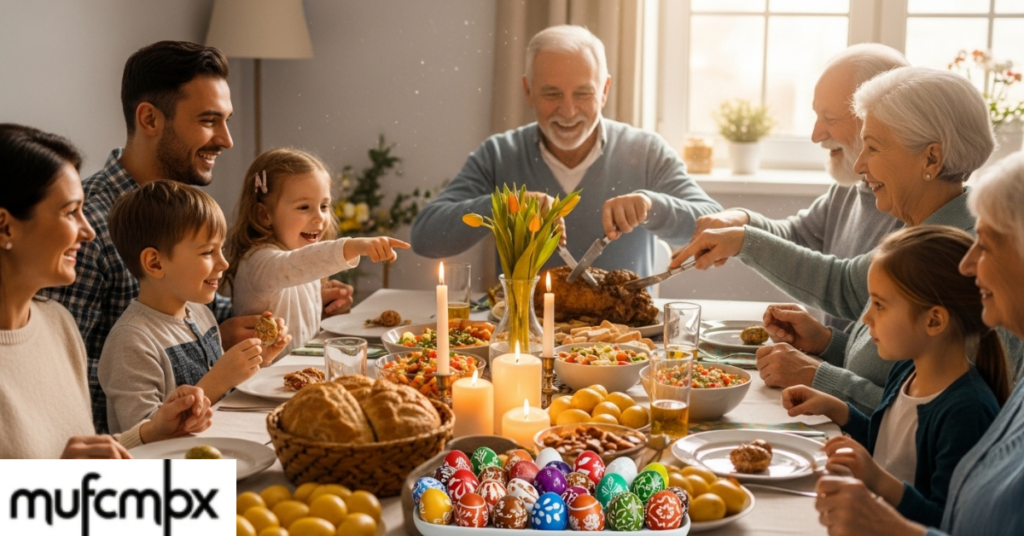
Food plays a central role in Pascua celebrations, often reflecting regional tastes and cultural heritage.
In many countries, special dishes are prepared to mark the occasion. In Spain, “torrijas,” a type of sweet bread similar to French toast, is a traditional treat. In Italy, “Colomba di Pasqua,” a dove-shaped cake, symbolizes peace and renewal.
In Latin America, dishes vary widely but often include seafood, especially on Good Friday, as a reflection of fasting traditions. These meals are not just about nourishment but also about bringing families together and preserving cultural identity.
Modern Celebrations of Pascua
In today’s world, Pascua continues to evolve while maintaining its core meaning. Technology and globalization have influenced how people celebrate, with virtual church services and social media playing a role in connecting communities.
Despite these changes, the essence of Pascua remains the same. It is a time for reflection, renewal, and connection with loved ones. Many people use this period to step back from their daily routines and focus on spiritual and personal growth.
The Spiritual Message of Pascua
At its heart, Pascua is about transformation and hope. It reminds individuals of the possibility of renewal and the power of faith.
This message resonates beyond religious boundaries, offering a universal theme of overcoming challenges and embracing new beginnings. Whether observed through religious practices or cultural traditions, Pascua continues to inspire people around the world.
Pascua and Family Traditions
Family plays a crucial role in Pascua celebrations. It is a time when loved ones come together to share meals, attend religious services, and participate in traditions passed down through generations.
These gatherings strengthen bonds and create lasting memories, making Pascua not just a religious observance but also a deeply personal and emotional experience.
The Global Impact of Pascua
Pascua’s influence extends far beyond religious communities. It has shaped art, music, literature, and cultural practices across the globe. From classical compositions inspired by Easter themes to modern films and literature, the impact of Pascua is evident in various forms of expression.
This widespread influence highlights the enduring relevance of Pascua and its ability to connect people across different cultures and backgrounds.
Addressing Unrelated Keywords in Context
It is important to clarify that terms such as “potthoff ehemann lisa maria potthoff scheidung” are unrelated to Pascua and do not have any connection to the religious or cultural significance of this celebration. Including unrelated keywords in meaningful content should be approached carefully to maintain clarity and relevance.
In high-quality SEO writing, maintaining topical authority and coherence is essential. Therefore, while such keywords may appear in search trends, they do not contribute to understanding Pascua and should not distract from the core subject matter.
FAQs
What does Pascua mean?
Pascua is a term used in Spanish-speaking cultures to refer to Easter, Passover, or other significant religious holidays, depending on context.
Why is Pascua important?
Pascua is important because it commemorates the resurrection of Jesus Christ in Christianity and symbolizes renewal, hope, and spiritual transformation.
How is Pascua celebrated?
Pascua is celebrated through religious services, processions, family gatherings, traditional foods, and cultural customs that vary by region.
What are common symbols of Pascua?
Common symbols include the cross, the empty tomb, eggs, lambs, and candles, each representing different aspects of the holiday’s meaning.
Is Pascua the same everywhere?
No, Pascua is celebrated differently around the world, with each culture adding its own unique traditions and interpretations while maintaining the core message of renewal and faith.
Conclusion
Pascua is far more than a holiday; it is a profound expression of faith, culture, and human connection. Rooted in ancient traditions and enriched by diverse cultural practices, it continues to hold deep meaning for millions of people worldwide.
From solemn religious ceremonies to joyful family gatherings, Pascua embodies themes of renewal, hope, and transformation. Its enduring relevance lies in its ability to adapt to changing times while preserving its core message.
Whether you observe Pascua through religious devotion or cultural celebration, it offers an opportunity to reflect, reconnect, and embrace the spirit of new beginnings.




Leave a Reply