

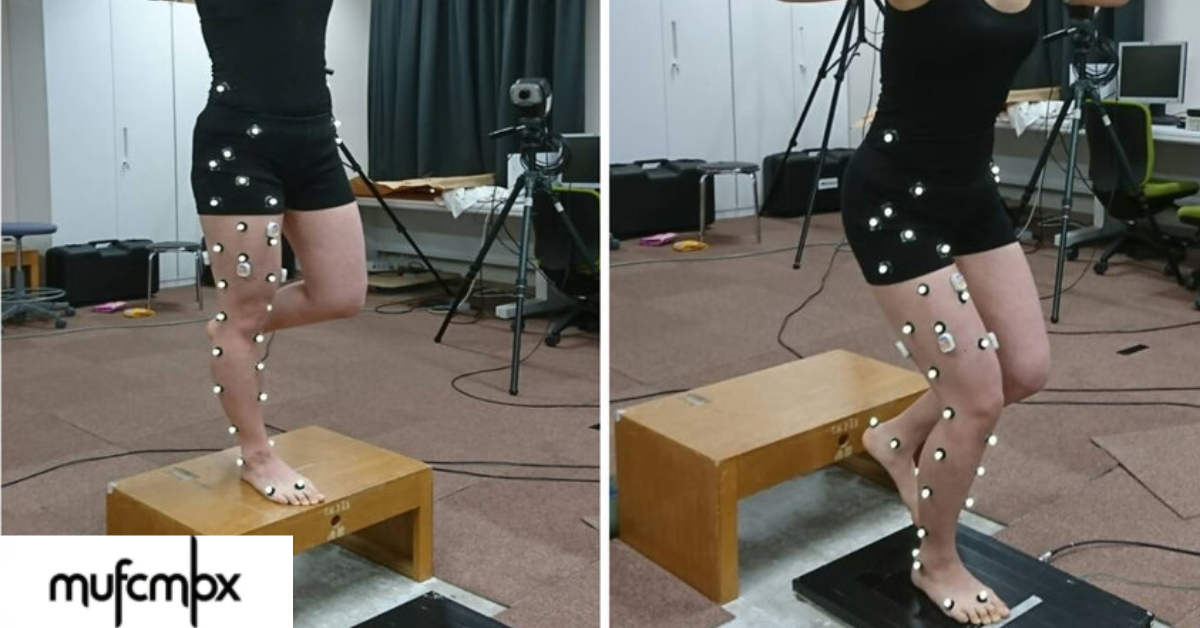
Have you ever wondered what actually keeps you standing upright when you walk, run, or simply get out of a chair? Most people credit muscles or joints, but there’s a silent hero doing the heavy lifting beneath it all. The tibia, often called the shinbone, is the structural backbone of your lower leg. Without it, smooth and stable movement would be impossible.
Every step you take depends on a careful partnership between bones, muscles, and connective tissues. At the center of that partnership sits the tibia, quietly absorbing force, distributing weight, and guiding motion. Understanding how this bone works not only deepens your appreciation for your body but also helps you protect it from injury and long-term strain.
Understanding the Tibia and Its Basic Anatomy
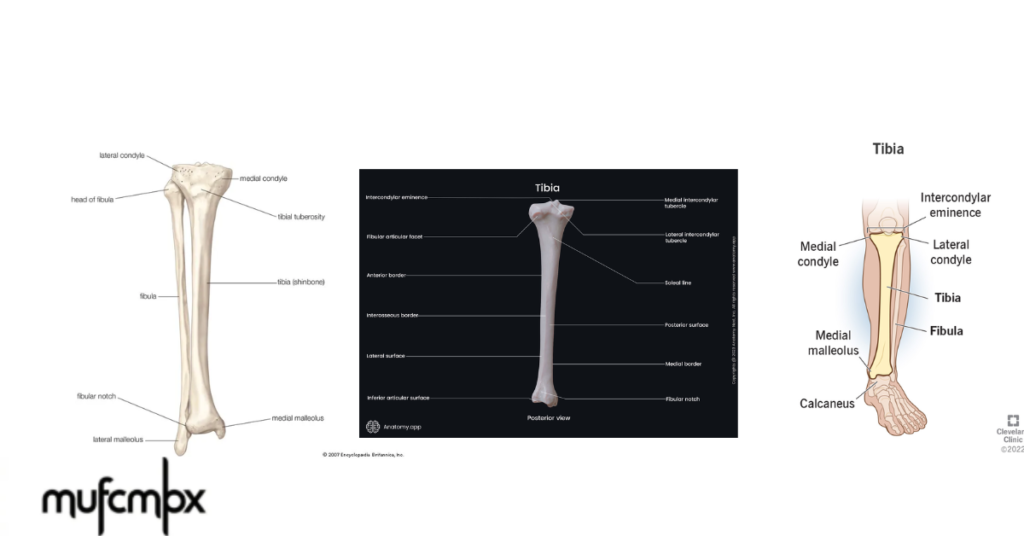
The tibia is the larger and stronger of the two bones in your lower leg. It sits on the inner side of the leg and runs from the knee joint to the ankle joint. Right beside it is the fibula, a thinner bone that supports balance and muscle attachment. Together, they form the lower limb framework.
From an anatomical perspective, the tibia has several important parts:
- The proximal end connects to the femur at the knee
- The shaft forms the visible shin area
- The distal end helps create the ankle joint
- The tibial plateau supports body weight
- The medial malleolus stabilizes the ankle
This structure allows the tibia to handle compression, tension, and rotational forces. Moreover, the bone marrow inside the tibia contributes to blood cell production, making it important beyond simple movement.
The Role of the Tibia in Weight Bearing
One of the tibia’s primary responsibilities is weight bearing. When you stand, nearly all of your upper body weight travels down through the femur and into the tibia. From there, the force continues to the foot and into the ground.
This process sounds simple, but it involves a remarkable system of shock absorption. The tibia works with cartilage, ligaments, and tendons to cushion impact. For example, when you jump or run, the tibia helps distribute force evenly to prevent damage to joints.
Several factors influence how effectively the tibia supports weight:
- Bone density and strength
- Proper alignment of the knee and ankle
- Muscle support from the calf and thigh
- Healthy joint cartilage
- Balanced posture
If any of these elements weaken, the tibia experiences extra stress. Over time, that stress can lead to discomfort or injury.
How the Tibia Enables Smooth Movement
Movement is more than bending and straightening your legs. It’s a coordinated dance between bones and muscles. The tibia acts as a stable lever that allows muscles to pull and create motion.
During walking and running, the tibia participates in what experts call the gait cycle. This cycle includes phases such as heel strike, mid-stance, and toe-off. At each stage, the tibia adjusts its angle to maintain balance and efficiency.
Key movements supported by the tibia include:
- Knee flexion and extension
- Ankle dorsiflexion and plantarflexion
- Rotational stability of the lower leg
- Shock absorption during impact
- Energy transfer during push-off
Because of its central position, the tibia also helps coordinate proprioception, or your sense of body position. This awareness allows you to move confidently without constantly watching your feet.
Muscles and Connective Tissues Attached to the Tibia
The tibia serves as an anchor point for several powerful muscles. These muscles control everything from sprinting to standing still. Without these attachments, your lower leg would lack both strength and precision.
Major muscles connected to the tibia include:
- Tibialis anterior, which lifts the foot
- Soleus and gastrocnemius, which power walking and running
- Popliteus, which stabilizes the knee
- Deep flexor muscles that support the arch
In addition, ligaments and tendons reinforce the tibia’s stability. The patellar tendon connects the kneecap to the tibial tuberosity, enabling strong knee extension. Meanwhile, ankle ligaments secure the lower end of the bone.
This network of soft tissues transforms the tibia from a simple support beam into a dynamic control center for movement.
Common Tibia Injuries and Their Impact on Movement
Because the tibia carries so much responsibility, it’s vulnerable to injury. Athletes and active individuals often experience tibia-related problems, but anyone can be affected.
Some of the most common injuries include:
- Tibial fractures from high-impact trauma
- Stress fractures caused by repetitive strain
- Shin splints resulting from overuse
- Tendon inflammation around the shin
- Joint misalignment affecting the knee and ankle
These conditions can severely limit mobility. Even mild pain changes how you walk, which may lead to compensation patterns and further strain. Early diagnosis and proper treatment are essential for recovery.
How to Keep Your Tibia Strong and Healthy
Protecting the tibia requires a combination of smart habits and preventive care. Fortunately, many effective strategies are simple and accessible.
Consider the following practices:
- Engage in regular weight-bearing exercise
- Maintain a balanced diet rich in calcium and vitamin D
- Wear supportive footwear
- Stretch the calf and shin muscles
- Gradually increase training intensity
- Practice proper running and walking form
- Allow time for rest and recovery
Strength training also plays a crucial role. Exercises such as squats, lunges, and calf raises build the muscles that support the tibia. In addition, balance exercises improve joint stability and coordination.
The Tibia’s Role in Athletic Performance
For athletes, the tibia is more than a structural element. It directly influences speed, agility, and endurance. A strong tibia supports efficient force transfer, allowing for explosive movement and quick directional changes.
Sports that place high demands on the tibia include:
- Running and sprinting
- Basketball and soccer
- Tennis and volleyball
- Hiking and trail running
- Dance and gymnastics
Training programs that emphasize biomechanics and proper technique reduce injury risk. Moreover, cross-training helps distribute stress across different muscle groups.
Tibia Function Across Different Life Stages
The importance of the tibia evolves throughout life. In childhood, it supports rapid growth and development. During adulthood, it maintains peak performance and mobility. Later in life, preserving tibia strength becomes essential for preventing falls and fractures.
Aging can reduce bone density, making the tibia more fragile. However, lifestyle choices significantly influence long-term bone health. Regular activity and good nutrition remain powerful tools at every age.
Quick Reference Table: Key Functions of the Tibia
| Function | Description | Impact on Movement |
|---|---|---|
| Weight bearing | Supports body mass | Enables standing and walking |
| Shock absorption | Distributes impact forces | Reduces joint stress |
| Muscle attachment | Anchors major leg muscles | Powers motion |
| Joint stabilization | Supports knee and ankle | Improves balance |
| Structural alignment | Maintains leg posture | Enhances efficiency |
Why the Tibia Deserves More Attention
Despite its importance, the tibia rarely receives the recognition it deserves. People often focus on visible muscles or flashy athletic skills. However, the foundation of every movement lies in strong, healthy bones.
By understanding the tibia’s role, you gain insight into how your body functions as a whole. This knowledge encourages smarter training, better posture, and proactive injury prevention.
Conclusion
The tibia is far more than a simple shinbone. It is a central pillar of movement, strength, and balance. From supporting body weight to coordinating complex motion, the tibia works constantly behind the scenes to keep you active and stable. When you care for this essential bone through exercise, nutrition, and mindful habits, you invest in lifelong mobility.
If you found this guide helpful, consider sharing it with others who want to understand their bodies better. You can also leave a comment with your thoughts or experiences. The more we talk about movement and bone health, the better equipped we are to protect it.





Leave a Reply