

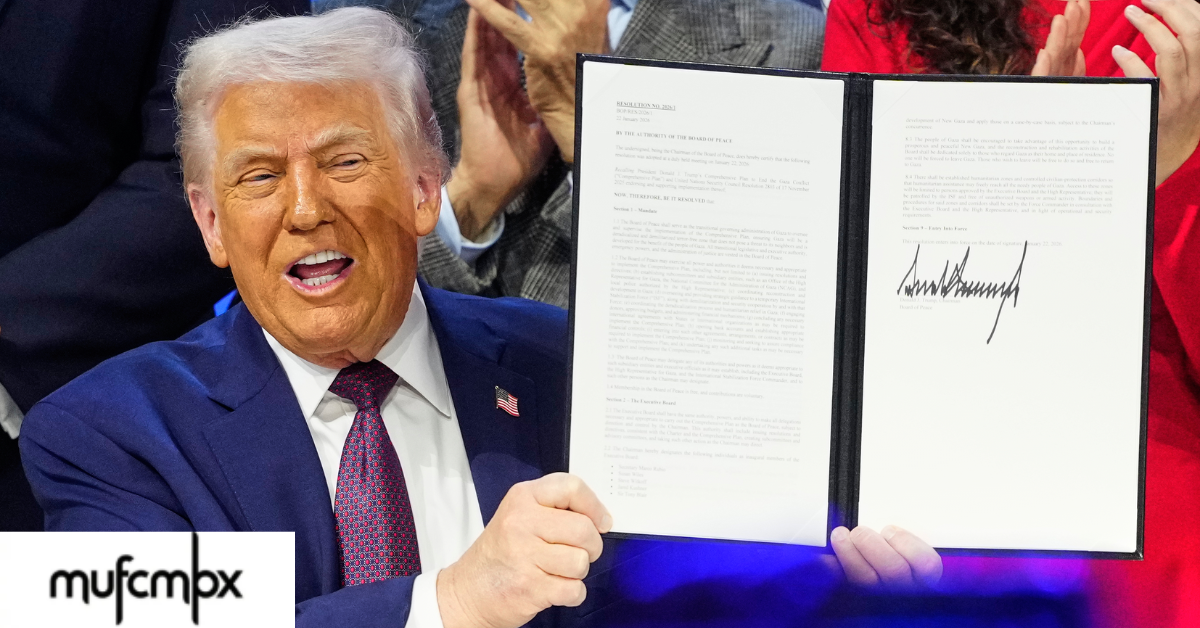
When most people hear the phrase Trump tariffs, they think of shiny headlines, heated debates, and political finger‑pointing. But if you peel back the sensationalism and noise, you uncover a deeply tangled web of economic change that didn’t stop at the U.S. border. By 2026, the full effects of those tariffs — imposed years earlier — are still unfolding across international markets, supply chains, inflation trends, and corporate strategies worldwide.
Let’s cut through the jargon together and explore how Trump tariffs reshaped global trade, who won and who lost, and what this means for everyday consumers.
A Brief Introduction to Trump Tariffs
To understand why these tariffs matter today, we have to recall what they were. In the late 2010s and early 2020s, the Trump administration imposed significant import taxes on goods from key trading partners, especially China, the European Union, Canada, and Mexico. The idea was straightforward: level the playing field, protect American manufacturing, and reduce massive trade deficits.
But global trade is never simple.
What Were Trump Tariffs?
- Tariffs on steel and aluminum: Targeted mostly at China and the EU
- Section 301 tariffs: Heavy levies on Chinese imports worth hundreds of billions
- Auto tariffs discussion: Though debated, not fully implemented
- Agricultural tariff retaliation: Foreign governments responded in kind
These moves triggered a domino effect, pushing nations to rethink supply chains, trade agreements, and economic priorities.
Why the Impact Still Matters in 2026
You might be tempted to think tariffs are temporary, vanishing with new administrations. But economics doesn’t rewind like a video. The decisions made years ago still shape how companies source materials, where factories are built, and how prices are passed on to you and me.
In 2026, researchers, CEOs, and everyday families feel the effects — and not always in the ways originally predicted.
The Global Trade Landscape: A New Normal
After the initial shock waves, world markets began adjusting. What looked like short‑term trade disruption evolved into lasting structural shifts.
Diversified Supply Chains
One of the most visible outcomes of Trump tariffs is the diversification of supply chains:
- Companies moved production out of China to
- Vietnam
- India
- Mexico
- Eastern Europe
- Firms invested in automation to reduce exposure to import costs
- Regional trade pacts gained importance
In other words, tariffs didn’t just increase costs — they forced companies to rethink where and how goods are made.
A Rise in Nearshoring
For American firms in particular, nearshoring became a buzzword long before 2026. Rather than relying on distant manufacturing hubs, many companies brought production closer to home, especially in Mexico and the Caribbean Basin.
This shift had ripple effects:
- Job creation in new export‑oriented sectors
- Increased demand for logistics and infrastructure
- More resilient regional supply chains
Yet not all of this shift was smooth. Workers needed new skills, and local industries faced pressure to modernize quickly.
Impact on Consumers: Prices, Products, and Purchasing Power
You don’t need an economics degree to feel the impact of tariffs — you feel it every time you pay your bills or buy a new gadget.
Higher Prices at the Checkout
When the government adds a tax on imported materials, someone has to pay. Often, it’s the end consumer.
- Electronics became pricier due to higher component costs
- Home appliances saw modest price hikes
- Imported clothing brands passed on tariff costs
Even after 2020, companies struggled to absorb all the additional fees, meaning that price adjustments persisted well into 2026.
Mixed Benefits for Local Producers
Some U.S. and regional manufacturers did benefit:
- Increased demand for domestic steel
- Growth in local agriculture sectors
- New opportunities for small business exporters
But these gains weren’t universal. Critics argue that protectionist policies offered uneven advantages, benefiting certain industries while penalizing others.
Trade Wars and Retaliation: A Global Tug‑of‑War
International trade doesn’t operate in a vacuum. When the U.S. raised tariffs, other nations responded.
Retaliatory Tariffs
Countries hit by Trump tariffs did not simply absorb them. Instead, many launched their own tariffs on American goods, including:
- Soybeans
- Pork
- Whiskey
- Industrial equipment
These moves shifted agricultural markets and forced U.S. farmers to find new buyers overseas — not always successfully.
New Trade Alliances
Some nations strengthened partnerships with each other in response. For example:
- ASEAN countries accelerated intra‑regional trade deals
- European Union nations bolstered cooperation on tech and manufacturing
- African trade corridors expanded under AfCFTA initiatives
Although none of this was directly caused by Trump alone, the tariff policy certainly influenced the timing and urgency of these developments.
Who Benefited Most?
Let’s be clear: no one emerged unscathed, but certain groups found opportunities.
Winners
- Regional manufacturers in Mexico and Southeast Asia
- High‑tech firms that automated to offset cost increases
- Exporters in markets less tied to U.S. tariff targets
Losers
- Small businesses reliant on imported parts
- Consumers facing higher retail prices
- Export‑oriented U.S. agriculture sectors hit by retaliation
This complex mosaic shows that tariffs are a blunt tool, often producing unintended consequences.
The Tech Sector: Innovation or Isolation?
It’s tempting to think tech companies are immune to tariffs. They’re not.
Chip Manufacturing Shuffle
The global semiconductor industry experienced turmoil tied back, in part, to tariff‑driven changes:
- Firms invested in domestic chip fabrication facilities
- Countries offered incentives to keep production local
- Cross‑border licensing and supply chains became more complex
In a sane world, trade encourages specialization — but tariffs complicated even the most advanced tech partnerships.
Software and Services: A Different Story
Interestingly, software and digital services were largely unaffected by hardware tariffs. In some ways, this helped bolster the knowledge economy, shifting emphasis away from physical manufacturing in certain sectors.
Small Business Perspectives
Talk to a small business owner in 2026, and you’ll hear stories of adaptation rather than resignation.
Adjusting Price Strategies
Some entrepreneurs raised prices, while others absorbed the costs, betting on customer loyalty.
Local Sourcing
Many found creative ways to source materials locally or through trade partners unaffected by tariffs.
Customer Education
Business owners often spent more time explaining price changes to customers — an underrated side effect of tariff‑induced inflation.
The Political Echo
No discussion of Trump tariffs would be complete without acknowledging politics.
Populist Momentum
Tariffs were framed as a way to protect domestic workers and reduce trade deficits. This resonated with certain voter bases, shaping debates years beyond the initial policy rollout.
Bipartisan Debate
By 2026, tariffs had become a talking point across the political spectrum, discussed in policy circles as a tool with both pros and cons.
What Economists Say
Professional economists look at data, not slogans. Their consensus remains nuanced:
- Tariffs can protect specific industries short term
- They rarely improve overall consumer welfare
- Retaliation reduces net benefits
In other words, tariffs might change who benefits, but they rarely increase total economic welfare — a lesson still debated in academic circles.
Real‑World Examples of Change
Here are a few concrete cases where Trump tariffs left a mark:
Example 1: Steel and Construction
Large construction companies that depended on foreign steel reworked their supply chains. Some shifted to domestic suppliers, while others passed costs to clients.
Example 2: Consumer Electronics
Gadget manufacturers diversified parts sources, pushing production to Malaysia and Thailand. This reduced reliance on traditionally tariff‑exposed regions.
Example 3: Agriculture
U.S. soybean farmers lost key markets in China, prompting investment in alternative buyers in South America and Africa.
Each example highlights trade policy’s ripple effects — often unpredictable and long‑lasting.
What Comes Next?
Looking ahead to 2030 and beyond, the legacy of Trump tariffs continues to guide global trade decisions:
- Countries may prefer diversified trade agreements
- Businesses will hedge against single‑region reliance
- Consumers will expect transparency in pricing structures
Tariffs sparked change, but adaptation defined the response.
Key Takeaways
Here’s what matters most about Trump tariffs and global trade in 2026:
- They permanently altered supply chains
- Some industries benefited, others struggled
- Consumers felt price impacts long after tariffs were enacted
- Trade alliances shifted as countries adapted
- Technology and services offered a counterbalance
It’s tempting to oversimplify, but the truth is layered: tariffs are a tool that can protect, provoke, and transform — often all at once.
Conclusion
In 2026, the story of Trump tariffs isn’t a simple one. It’s a tale of adaptation, resilience, and global realignment. While some hoped tariffs would usher in a new era of dominance, the reality was more complex. Markets adjusted, alliances formed, and businesses innovated.
What’s unmistakable is this: trade policy matters. It affects jobs, prices, and the everyday decisions we make — from where our goods are made to how much we pay at the checkout. Whether you agree or disagree with tariff policy, understanding its impact equips you to navigate an interconnected world with clarity and confidence.
What do you think? Did Trump tariffs help or hinder your business or wallet? Share your thoughts in the comments below — let’s talk.




Leave a Reply